
The
Jackpot

Businesses get millions from Dauphin County gaming grants
A PennLive investigation reveals how casino money meant for firehouses and roads ended up funding a luxury apartment complex, a barber shop and an underwater treadmill.
In Steelton, Pennsylvania, a county commissioner’s brother made building upgrades to his barber shop.
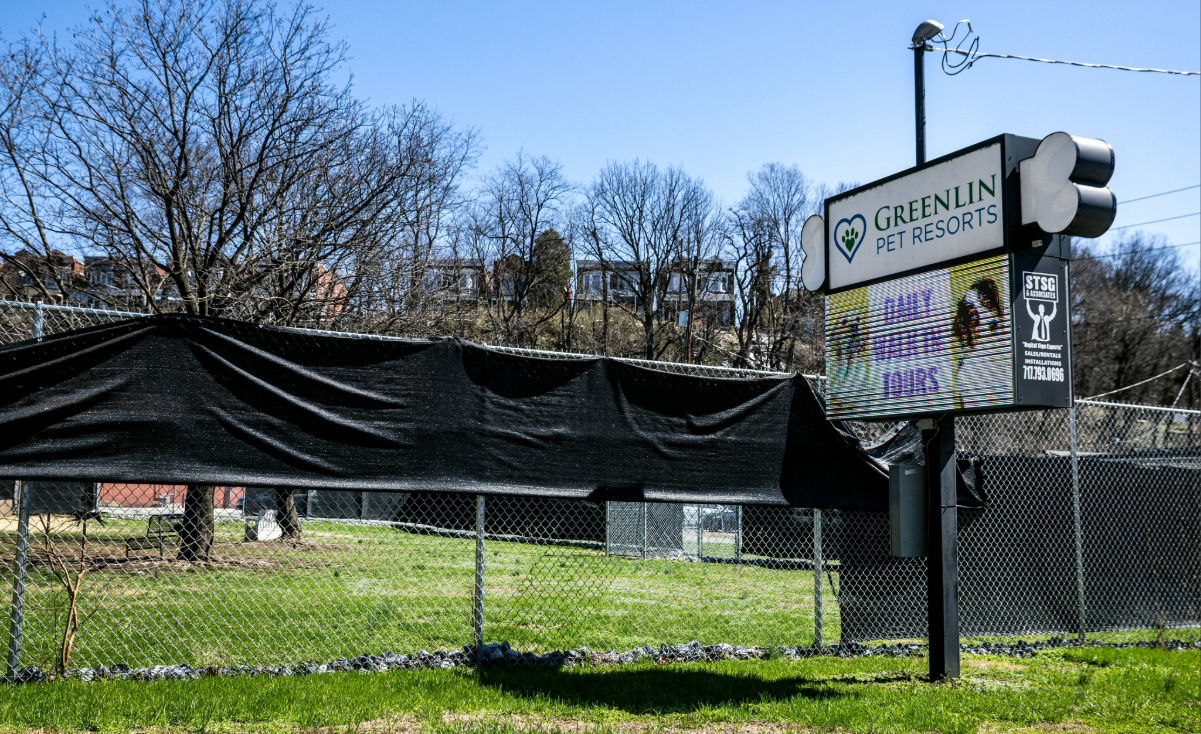
In Harrisburg, less than a mile from the Pennsylvania State Capitol Complex, a “pet resort” can board more dogs overnight, thanks to expanded water and sewer lines.
And two separate affordable housing projects in the region, backed by different former NFL players, have been underway for years but have yet to start construction.
These very different projects have one thing in common: They were each paid for, in part or in whole, by Dauphin County casino revenue that was originally intended to fund emergency services, infrastructure improvements and other public interest projects but has instead been used to back private businesses.
Dauphin County received $266 million in gambling revenue from Hollywood Casino at Penn National Race Course between 2008 and 2025 thanks to Pennsylvania law. That’s more than anywhere else in the commonwealth, which has 17 casinos.
While the lion’s share of that money has been awarded to municipal governments and nonprofits or used for county expenses, officials have also doled out nearly 100 grants totaling $4.2 million to businesses, from a sports training facility and a landscaping company to breweries and developers of luxury apartment buildings, a PennLive investigation found.
Some of the businesses are owned by public officials or their close connections, raising concerns about conflicts of interest and whether the grants amounted to political favoritism. Others received funding for projects that, although run by for-profit entities, provide a legitimate public need or drive regional economic development, business owners said. While not all of the businesses appeared to have direct connections to county officials, many used gaming revenue to offset their business costs rather than for projects that clearly benefit the public.
PennLive reviewed every gaming grant application the county received from the start of the program in 2008 through 2025 — more than 2,000 applications — and filed more than 60 records requests to government agencies throughout Pennsylvania. Reporters conducted dozens of interviews with business owners, public officials and leaders of other counties’ grant programs
Among the findings:
- Dauphin County gave 92 gaming grants to businesses — a higher number than every other county in the state combined. It is the only county that gives gaming money to businesses directly, as most other counties have grant programs run by the state. But Dauphin County’s program is run locally, with no external oversight.
- The Dauphin County commissioners awarded at least a dozen grants to businesses owned by public officials or their close connections. Those included grants to a movie theater and brewery co-owned by a member of the grant advisory board, two grants totaling $400,000 for a high-end apartment complex co-owned by the county’s bond underwriter and a grant to a business owned by the council president of a local borough, who used the money to buy a luxury truck.
- There isn’t enough money to fund every deserving project. Each year, dozens of county departments, municipal governments and nonprofit organizations apply for funding and get a fraction of what they asked for or none at all. Since the program’s inception in 2008, nearly 100 police departments, volunteer fire companies and local government agencies looking to fund emergency services — the very projects county commissioners initially said they would prioritize — did not receive their full funding request.
- The county’s Industrial Development Authority, which oversees the grant program, ostensibly requires grantees to submit progress reports and final project audits. But in practice, the IDA often waives those follow-up requirements, a practice condemned by fraud experts and good-government advocates. It’s unclear whether some of the projects that received funding ever happened, and at least one grantee received county grant money despite not paying their Dauphin County taxes.
- The county’s gaming advisory board uses a scoring rubric — a guide — to vet grant applications. But multiple economic development experts said the rubric was poorly designed and lacked clear priorities. They also noted its rules explicitly allow the advisory board to veer from the scores altogether.
- Dauphin County has been reluctant to provide information on how gaming grant money was spent. Since October 2025, PennLive has repeatedly requested grant contracts, receipts and other records related to grants Dauphin County awarded to businesses. The county has provided about 25% of those records, even though they are public. PennLive appealed the denial to the Pennsylvania Office of Open Records, where the case is still active.
With the recent surge in online gambling, the county is raking in record levels of cash. As those dollars have soared, so, too, has the amount of money Dauphin County gives to private businesses: Between 2022 and 2024, 63 businesses received gaming grants, compared to 29 in the dozen years prior.
Experts said there needs to be clear goals of which projects to fund, straightforward guidelines on how the money can be spent and oversight to ensure the grants are serving the public.
“We want to ensure the system earns and maintains public trust. And currently there are many red flags,” said Davina Hurt, director of government ethics at the Markkula Center for Applied Ethics at Santa Clara University.
To say the program needs better guardrails is an understatement, said Nate Jensen, a professor at the University of Texas-Austin and an expert in government economic development strategies.
“You really need to completely redesign the program,” Jensen said.
In 2004, when legislators and lobbyists were battling over whether to legalize gambling in Pennsylvania, Dauphin County officials hired the lobbying firm Greenlee Partners to represent the county’s interests at the State Capitol — a bold move at a time when few counties had lobbyists.
It’s unclear how much of a role Greenlee played in securing the county’s share of gaming revenue, as few records exist from that time, and representatives of Greenlee Partners did not answer questions. But the firm has sometimes claimed credit for keeping the funding in the county’s control. In a 2024 email to the county commissioners, Clint Cullison, a partner at Greenlee, said the county paid the firm $90,000 a year and received more than $17 million in gaming revenue in the two years prior — a “9,566.67% ROI,” or return on investment, as Cullison put it. He noted that “other interests” continue to attempt to divert the funds from the county.
The 2004 Pennsylvania Race Horse Development and Gaming Act, which legalized gambling in the state, created a piecemeal web of rules for how much gaming money each county gets and what they can do with it, with different rules based on the class of the county and the size of the gaming facility.
“As many casinos as there are, there are as many ways of distributing that money,” said state Rep. Russ Diamond (R-Lebanon), Republican chair of the House Gaming Oversight Committee.
Some casino funds are funneled into a statewide grant program, to which all counties are eligible to apply.
But 21 counties also have their own grant programs funded by casinos in their jurisdiction or nearby. Of those, 17 counties have programs administered by the state, meaning either the Department of Community and Economic Development or the Commonwealth Financing Authority approves who gets the money.
Only four counties — Dauphin, Bucks, Erie and Delaware— can give out gaming grants without state approval. Dauphin is the only one of those four that has given gaming grants to businesses.
Some legislators weren’t happy with how the law came about. State Rep. Ron Marsico (R-Dauphin) at the time called the bill “garbage” and said it was “put together in the back rooms of this Capitol by just a few people.”
“This bill was literally shoved down our throats yesterday,” Marsico said at the bill’s 2004 hearing.
Other state legislators promised the bill would be a payday for local governments and taxpayers, as it required a percentage of gaming revenue to be put aside for statewide property tax relief.
“One billion dollars in property tax reduction ultimately is our goal,” said Rep. Bill DeWeese (D-Greene) in 2004.
Dauphin County’s leaders initially said its gaming grants would first and foremost fund emergency management services, infrastructure improvements and other projects directly associated with the casino.
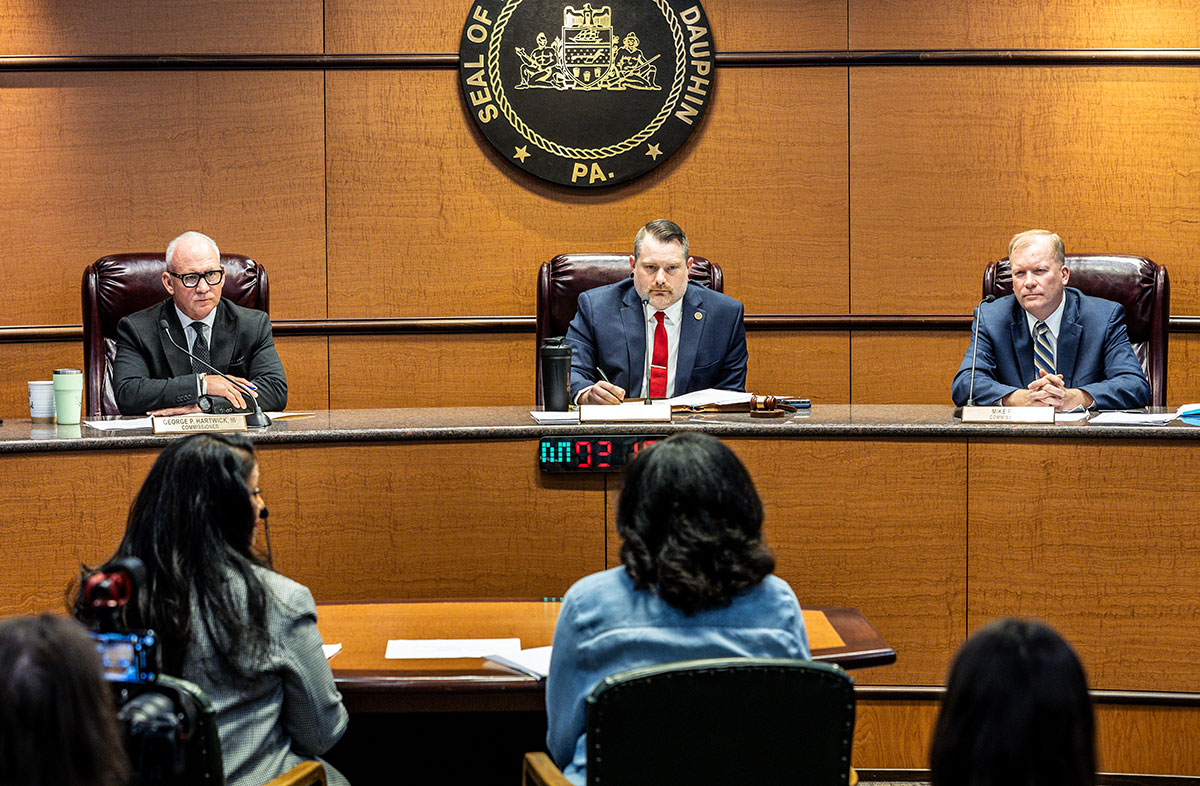
During a 2010 public meeting, Commissioner George Hartwick praised the gaming advisory board for prioritizing the grants “in a way that makes sense to Dauphin County taxpayers,” given “strained” municipal budgets.
At the same 2010 meeting, Commissioner Nick DiFrancesco said funding infrastructure and emergency services “is exactly where government stance should be, so that the private sector in this area and our economy can continue to grow with private sector investment.”
While the dollars used for the grant program can’t be used to offset taxes directly, they can be used to fund projects for which a municipality would otherwise have to raise taxes.
In the early years of the gaming grant program, few businesses received funding.
In fact, Dauphin County was viewed as “the right way to do it,” Justin Warren, a member of the inaugural gaming advisory board, said.
“There was a lot of concern about putting all those funds into the county commissioners’ hands to make decisions unilaterally,” Warren said, which is why the advisory board was created. In those years, the program focused on “critical needs” of the community, he said.
But as time went on, the boundaries of who won grants began to stretch, with more businesses receiving funding for a wider variety of projects. By 2024, businesses of all kinds were getting money, from major regional development projects to restaurants seeking kitchen upgrades and transportation companies hoping to expand their vehicle fleets.
In 2024, the county commissioners unanimously voted to fund 32 businesses with gaming grants while requests from multiple county departments, including public safety, the sheriff’s office and parks and recreation, were not fully funded. Later that year, the commissioners approved a 22% property tax hike, the county’s first tax raise in nearly two decades.
A county spokesperson said several of those department applications received partial funding from other sources, such as unrestricted gaming money or the general fund, or simply weren’t fully funded.
Meanwhile, the county and the municipalities within it are increasingly strapped for cash.
When asked whether his philosophy toward the gaming money changed, Hartwick said his core position had not, but that community needs were likely different in 2010, and that current funding decisions reflect the current needs.
Commissioner Justin Douglas, who took office less than two months before voting on the 2024 grants, said he did not fully understand the program at the time and was unaware there were grant requests from county departments the board did not fund.
“If all of those had been fully funded, would it have kept us from a tax increase? No way,” Douglas said. “But could it have made a difference? Yeah.”
It’s common in the United States for governments at all levels to subsidize private businesses, whether it be through cash grants, tax incentives or other means, though the practice can be controversial. Proponents say it can help create jobs, strengthen local economies and catalyze innovations. Critics argue it’s “corporate welfare” and opens the door to favoritism and corruption.
Owen Zidar, a professor of economics and public affairs at Princeton University, said the practice can be beneficial because governments can incentivize companies that might be on the verge of expanding or moving into the region. But it also invites problems, Zidar said, like the potential for people with political connections to profit from the grants.
The rubric the county’s advisory board uses to score the gaming grant applications weighs nearly all project categories the same, from infrastructure improvements to redevelopment projects. That’s a problem, experts said.
“The benefits to the community vary enormously: If a school building desperately needs an upgrade, that should score higher than a nice-to-have amenity,” Zidar said.
Many of the businesses that received gaming grants also received other types of public funding, such as tourism grants or minority-owned business grants from the county, or economic development grants from the state.
Over half of the counties that have their own gaming grant programs have not given any money to businesses, either because they choose not to or because state guidelines do not allow them to. That includes Philadelphia, Erie and Cumberland.
Other counties that give gaming grants to businesses often award large sums to major economic development projects they hope will lead to new investment or bring in significant tax revenue, such as $250,000 for the expansion of Great Wolf Lodge in Monroe County or $800,000 for a new company headquarters for McCarthy Tire Service Co. in Luzerne County.
Two counties, Monroe and Luzerne, have had a larger sum of gaming money steered to businesses than Dauphin. But, unlike in Dauphin County, the state administers those counties’ grant programs and state officials have the final say over which gaming grants to fund, not county officials, who are more likely to have firsthand connections to the applicants.
Some of Dauphin County’s grants have also gone to fund major development projects, like three grants in 2019, 2020 and 2021 for $283,400 to expand a training center for D&H Distributing, a tech company that exceeded $5 billion in revenue in 2021. The company’s initial application stated if it did not receive county funding, it might relocate its employees to Atlanta.
In response to multiple questions from PennLive, D&H Distributing said the initiatives supported by grant funding allowed D&H to hire and train “hundreds of new employee co-owners” at its Dauphin County headquarters and distribution center.
But the company also got another $25,000 grant in 2022 to buy computer equipment to help transition its employees back to the office following the pandemic. The company said in its application that if it did not receive the grant, it would simply reallocate funds from its operating budget to cover those costs.
“That’s exactly what you don’t want to do,” said Zidar of Princeton University. “You want to pay for new activity. It is a waste of money to pay for things that would have happened anyway.”


While most businesses are guided by profit margins, some business owners defended their grants and said they plan to use them to help the community, rather than to pad their bottom lines.
Coexist Gallery, a glass blowing studio and smoking paraphernalia shop in Steelton, received a $12,000 gaming grant in 2023 to build a mobile trailer to bring to community events. The trailer, which owner Shawn Gold purchased and is outfitting, will be used to educate the public through glass blowing demonstrations and to host team-building events for corporations, schools and other groups, he said. Gold said they don’t plan to charge schools or community groups, but would charge for-profit businesses.
Events can get expensive: Just to fire up the truck, the gallery spends around $1,000 per event, and that doesn’t include artists’ pay and other costs, Gold said.
“100% of everything we get goes 100% to community-based things,” he said. “We’re not trying to steal or anything… The community really needs it.”
Any dollar going to a for-profit business is a dollar not going to a nonprofit or municipality. But one municipal manager said that’s sometimes justified.
“I have friends that have small businesses, and they struggle just like municipalities do,” West Hanover Finance Director Timothy Houck said. “They can get some help as long as it’s not going to a multi-million dollar corporation that’s rolling in dough and making massive profit.”
The Harrisburg-based moving company Movers For Me often receives donations of furniture and household items from clients. It works with two nonprofits to identify people in need of those items, which it then delivers for free.
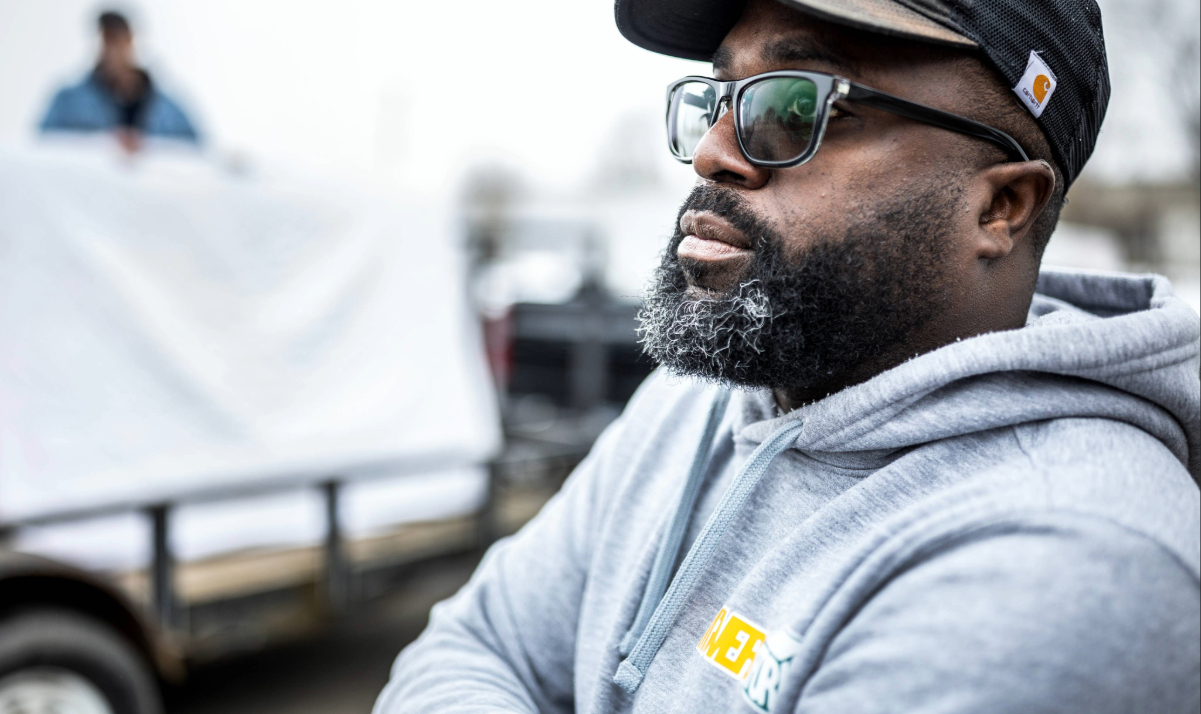
Owner Marc Domingos said he pays out of pocket for the time his employees spend shuttling furniture from paying clients’ homes to nonprofits and the doorsteps of people in need.
“With my means of having a truck and a warehouse, I can use it to help people. That’s what I’m going to try to do,” Domingos said.
Domingos received a $7,500 gaming grant in 2024 to buy a used truck and expand the company’s storage space. He applied for another grant for additional storage space this year, so the company can house more furniture donations.
“If the county and gaming board aren’t OK with it, they could say no,” Domingos said. “We’re going to do this anyway. It’s not for the grant.”
There are always people who misuse things, Domingos said.
“I hate that that narrative can overshadow the good work people do,” Domingos said.
For years, Dauphin County’s gaming grant process has been plagued by suspicions of political favoritism.
Nonprofit leaders have privately griped about receiving little or no funding while other entities they felt were less deserving cashed out. Local politicians who aren’t allied with the county commissioners have lamented the selection process. Journalists, government watchdogs and concerned members of the public have openly voiced concerns with the program.
In 2008, Dauphin County’s Industrial Development Authority hired Community Networking Resources, a company run by political consultant Mike Musser II, to assist in developing the guidelines and reviewing the applications, meeting minutes show. The company was paid $5,000 per month to do so through 2024, when the IDA canceled its contract amid public scrutiny of its multiple lucrative county contracts and potential conflicts of interest.
Since the IDA terminated the company, the county has been saving $60,000 a year, as the IDA staff runs the process. The commissioners also appointed five new advisory board members, replacing some members who had been on the board for over a decade. Last year, no businesses were awarded grants.
Government watchdogs praised the recent changes, especially that no money has gone to for-profits — but said the changes need to be codified, lest the program fall back into its old ways.
“Prior to them changing direction, I think gaming grants looked like an adult version of sitting on Santa’s lap,” said Eric Epstein, founder of the government-watchdog organization Rock the Capital. “People were just waiting in line to get theirs.”
No one wants to take full responsibility for past funding decisions.
An attorney for Musser said he had no vote in the process and that the commissioners were the ones who decided which grants to fund.
“Not only was Mr. Musser not a lead decision maker, he had zero decision-making authority,” the attorney, David Heim, wrote in an email.
A former advisory board member, Matt Tunnell, also noted it was ultimately up to the commissioners to vote on the grants.
But the commissioners said they aren’t the ones who spend months vetting the grant applications; the advisory board is. While they might ask some questions or at times deviate from the recommendations, they have generally accepted them.
“I have, I believe 99% of the time, voted for the allocations that they put forth,” Dauphin County Commissioner Mike Pries said.

Dauphin County Commissioner Mike Pries is one of three commissioners who vote each year on who gets gaming grants. March 23, 2026. Dan Gleiter
In 2025, the Industrial Development Authority began discouraging for-profits from applying for grants, said Executive Director George Connor.
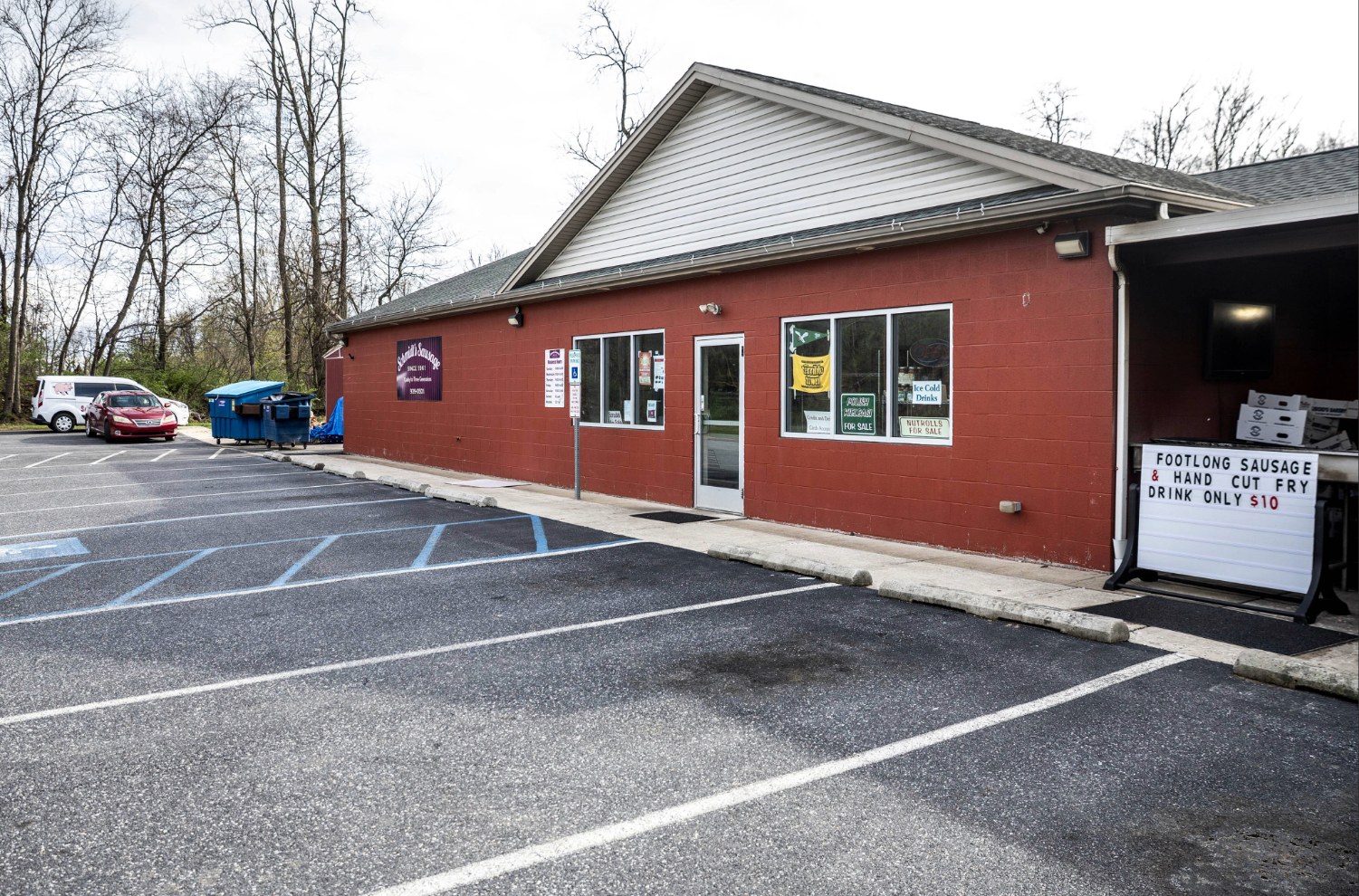
That hasn’t stopped them from trying. Over a dozen businesses still applied for funding in the ongoing 2026 grant cycle, and some of those businesses — including a medical spa, a sausage shop and a home care agency — were granted full hearings before the advisory board to make their pitch, an opportunity not every applicant receives.
The new advisory board voted March 23 on its grant recommendations, which did not include any grants to businesses. But the county commissioners rejected the grant recommendations at a contentious meeting on April 8, following questions from PennLive about this investigation. Two of the three commissioners voiced sharp concerns with both the recommended grants and the program.
Gaming advisory board members told PennLive their recommendations were not influenced by the county commissioners or anyone else, and that they stand by their decisions.
“I remember what the money was there for,” said Patrick Leonard, a volunteer fire chief and chair of the board. “And it’s the infrastructure and emergency services.”
Leonard and two other advisory board members resigned following the April 8 meeting.
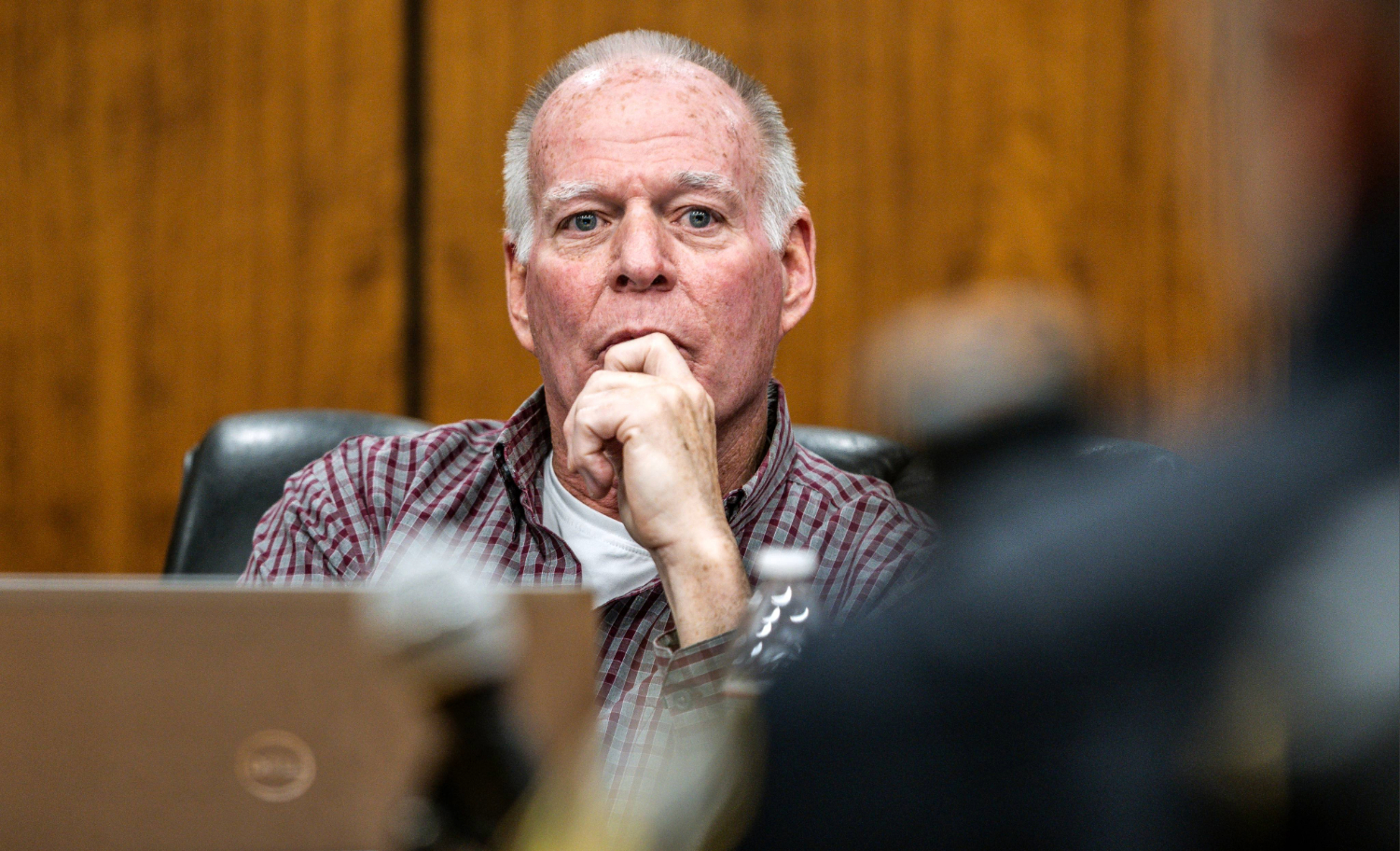
The county commissioners, Douglas, Pries and Hartwick, said they would support additional reforms to the program, such as stronger checks and oversight.
But they disagreed on the extent of the reforms needed and whether for-profit businesses should continue to be eligible to receive funding.
For Pries, giving grants to businesses is a “sticky point,” he said, and he would prefer not to.
“But again, if the gaming boards are recommending them, I’m assuming they have a darn good reason to recommend those dollars going to those areas,” he said.
Funding for-profits is appropriate at times for economic growth, Hartwick said, though he said he would support clearer guidelines to ensure the payments deliver “measurable public value.”
“The goal is not to subsidize private entities, but to invest in projects that generate measurable returns for the broader community,” he wrote in an email.
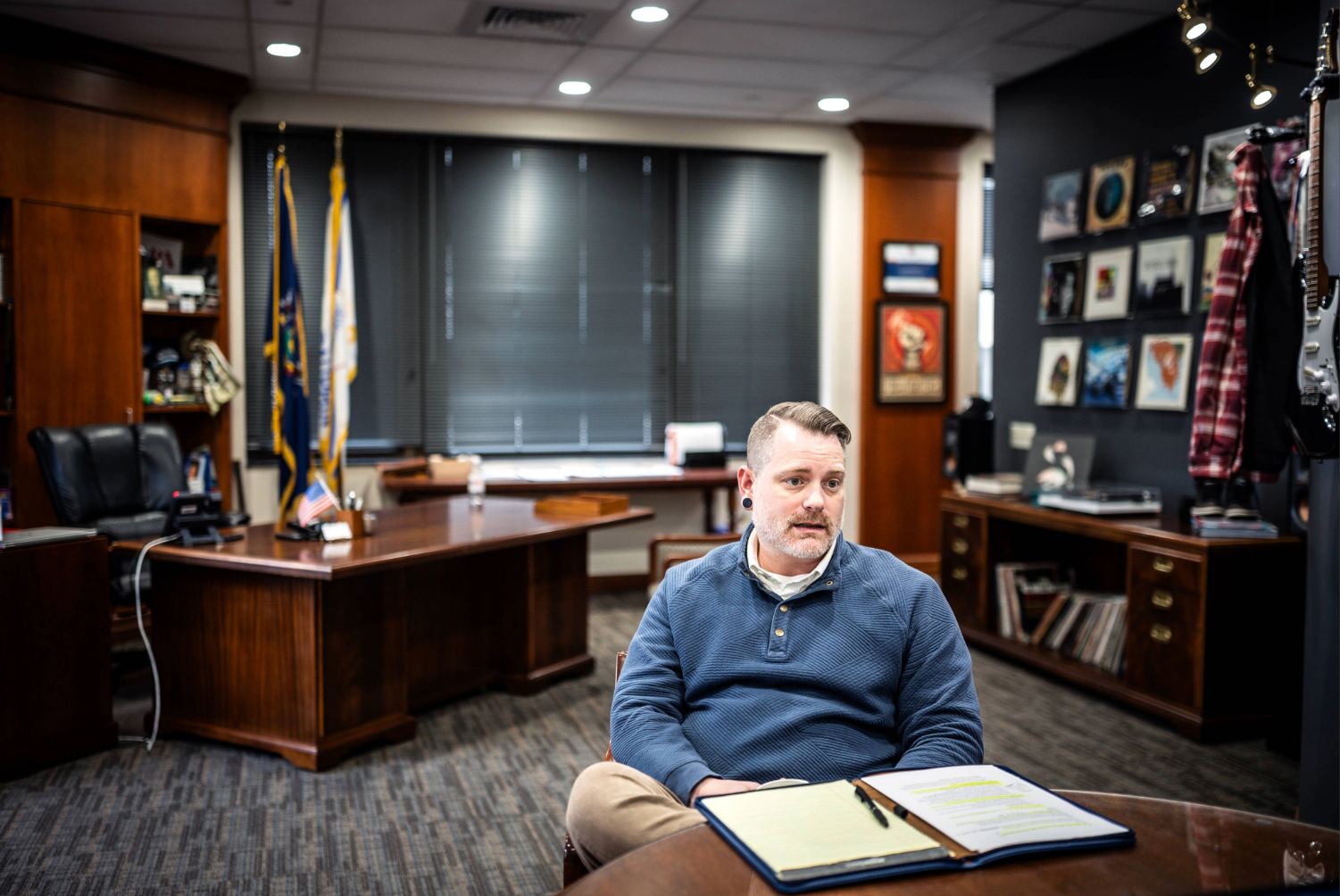
Douglas said he no longer supports grants going to for-profit businesses, particularly given that the county has other ways of strengthening economic development, such as via affordable housing funds and working with the regional economic development corporation.
Following questions from PennLive about this series, Douglas said he plans to introduce major reforms to the program.
“I’ve lost full faith in the gaming grant process, and until it is completely reformed, I am no longer in support of this system,” Douglas said.
This story was fact-checked by Christine Vendel.
What did we miss? Reach reporter Juliette Rihl at jrihl@pennlive.com or by encrypted email at jrihl@proton.me and reporter DaniRae Renno at drenno@pennlive.com. Anonymous tips are welcome.
This reporting was supported by the Fund for Investigative Journalism and the Pennsylvania NewsMedia Association Foundation.
How we reported this story:
PennLive reporters became aware of questionable spending in Dauphin County’s gaming grant program while reporting on dubious contracts in the county. Over 19 months, reporters submitted more than 60 records requests for documents related to Dauphin County’s gaming grant program and similar programs across the state. They read through every gaming grant application Dauphin County received through early 2025 — a total of 2,060 applications — and built a database showing the applicants and grantees. The reporters used Pennsylvania Department of State business filings to determine whether each applicant was a nonprofit, a business or a government agency. After zeroing in on 92 grants the county awarded to businesses, the reporters reviewed business filings for each entity, as well as other publicly available information like social media posts, business websites and the grant documentation, to determine ownership or connections. PennLive also interviewed leaders of other counties’ gaming grant programs and reviewed each county’s list of awards to determine which counties gave grant money to businesses and to what extent.