
High Stakes

Gaming money designed to aid the public goes to for-profit developers
Those working on housing and other large projects in Dauphin County say the work wouldn’t happen without public money.
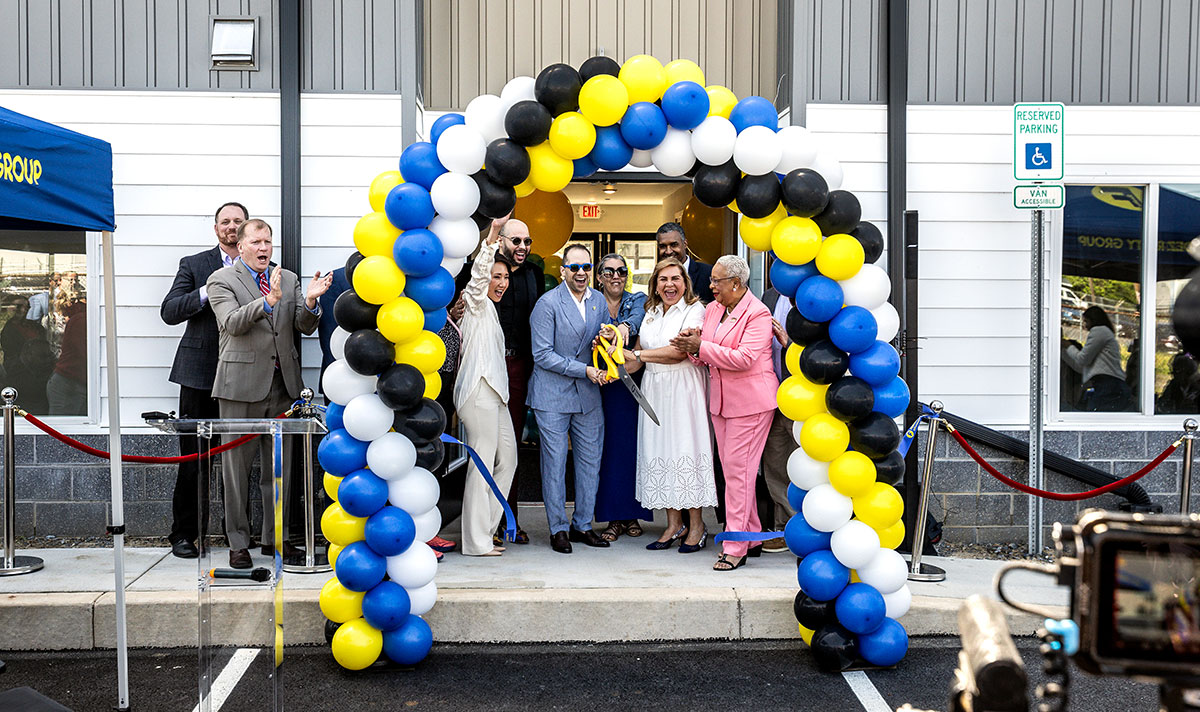
Big development projects take big money — and for some developers in Dauphin County, gaming grants are a piece of the financing puzzle.
Dauphin County commissioners have awarded $1.8 million in gambling revenue from Hollywood Casino to private developers for projects of all kinds, from affordable housing complexes to luxury apartment buildings and town centers.
Affordable housing has a clear community benefit, housing experts and developers say, and public funds are essential to help build it.
“The question for a developer is, ‘How do you fill the [financing] gap while still being able to rent the apartment at a much lower monthly rate than what a regular apartment does?’” Harrisburg-area affordable housing developer George Fernandez said. “You fill the gap with grants.”
Public money going to other projects — like market-rate housing and commercial development — faces more criticism. Some ethics experts say it’s hard to justify spending public money on market-rate apartments or commercial buildings, when that money could go to nonprofits or government agencies. But developers say their projects benefit entire regions by creating housing supply, bringing in tax revenue and spurring additional economic development.
Dauphin County isn’t the only county that gives gaming money to economic development projects. Roughly a third of Pennsylvania counties with their own share of gaming revenue give money to companies, often for things like building business parks, redeveloping outdated buildings and expanding their operations.
Other types of government subsidies, such as tax credits and federal and state grants, are also routinely allocated to economic development projects.
The big thing to consider when giving public dollars to any project is whether it will spur economic activity that wouldn’t have happened otherwise — such as by creating jobs, increasing wages or making the region a more attractive place to live, said Owen Zidar, a professor of economics and public affairs at Princeton University.
“It needs to clear a bar of: This is better than just giving people the money or keeping their taxpayer dollars,” Zidar said.
When Susquehanna Union Green opened in 2021, Susquehanna Township and Dauphin County officials celebrated the “new town center” with market-rate housing and commercial space occupied by restaurants and stores like Potato Coop, Luna Italian Cuisine and ZIPS Cleaners. It also includes three major green spaces, including the “Central Green,” which will hold an ice-skating rink in the winter.
“The Central Green is a public park. It belongs to you,” said H. Ralph Vartan, CEO of Vartan Group, the prominent Harrisburg development company behind the project. “It belongs to the visitors and residents here in Dauphin County.”
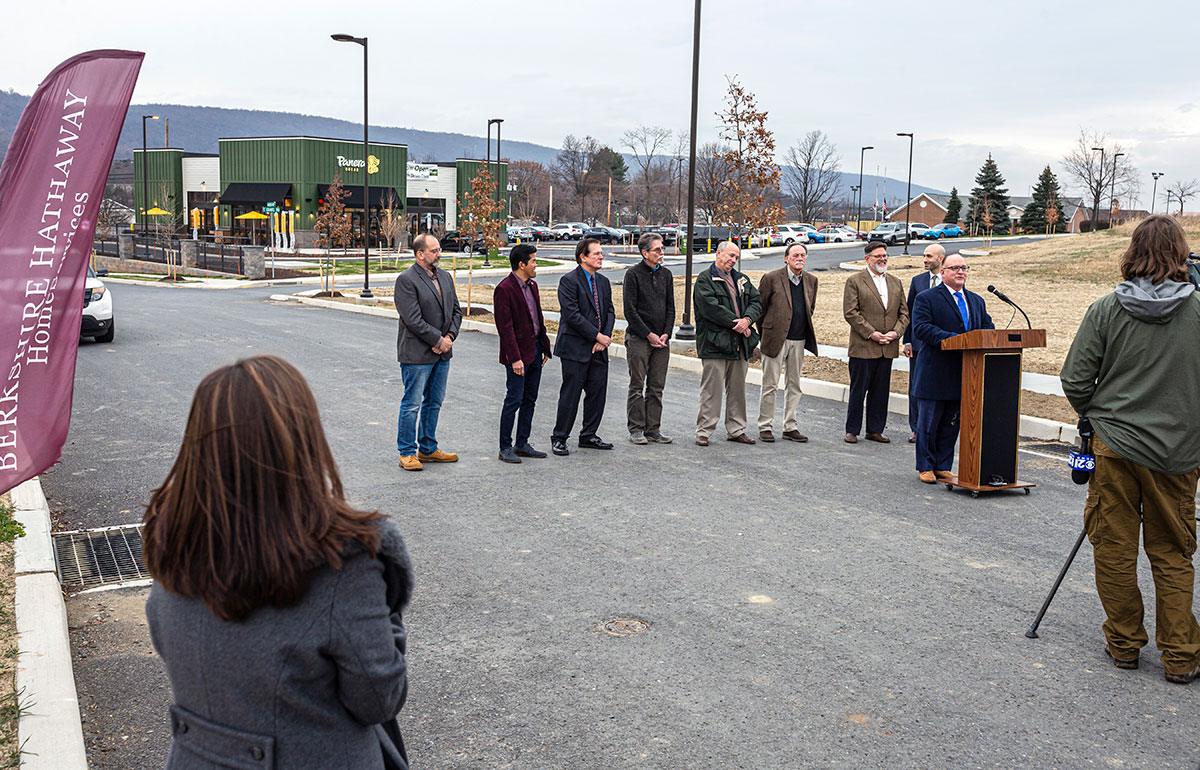
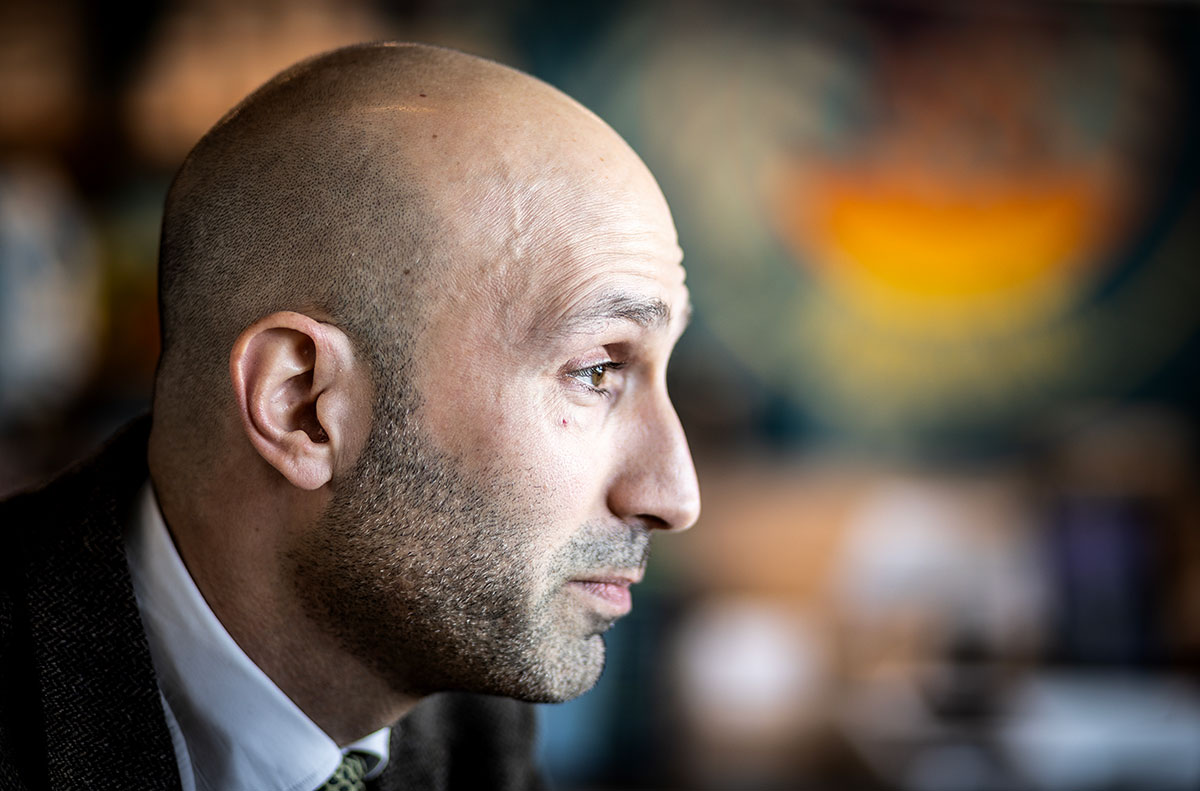
The project received a $75,000 gaming grant in 2022 to light its roads and add other improvements. Like many projects of its scale, it also received public dollars from Pennsylvania’s Redevelopment Assistance Capital Program, which supports high-impact economic development projects.
Gaming grant applicants should be judged based on the quality of the project and the public benefit they deliver, not whether they are nonprofit or for-profit, Vartan said.
“It’s up to the granting bodies to determine how to spread the money. And it’s the job of the awardees to get the most bang for the buck,” Vartan said. “And that’s what’s in the public interest ultimately.”
Development projects can take a notoriously long time, and some projects that received gaming grants haven’t begun construction yet.
GreenWorks Development hopes to “put Harrisburg on the map” with 320 Reily, a planned market-rate apartment building in Midtown with 144 residential units, roughly 4,000 square feet of retail space and a courtyard.
While GreenWorks intended to kick off the project years ago, it was delayed by COVID-19 and rising inflation, CEO Doug Neidich said. The company received $125,000 in gaming money between 2021 and 2022 for costs like renderings, site development and engineering work. Neidich said he hopes to start construction this year and have it move-in ready around late summer 2027.
Without gaming grants, the project may not have been feasible, he said.
“Everyone takes development for granted, that things just go up. But there is a lot of heavy lifting involved to get it over the goal line, to get it built and get it stabilized,” Neidich said. “But when something like this happens — and it will happen at some point— it’s going to be phenomenal for the city of Harrisburg.”
Just a few blocks away, LeSean McCoy, a former Philadelphia Eagles player-turned-developer, is spearheading Savoy 48, another planned mixed-use development. The project received a $100,000 gaming grant in 2023 and broke ground that year, but a visit by PennLive reporters in April showed only an empty, litter-strewn lot.
Plans for the project include 35 market-rate units, 10 affordable units and four handicap-accessible units, as well as a rooftop deck for entertainment and 6,500 square feet of commercial space.
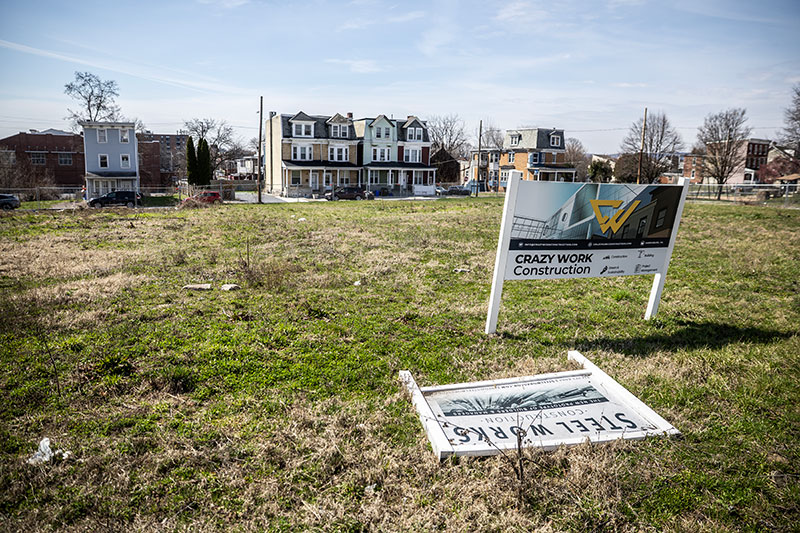
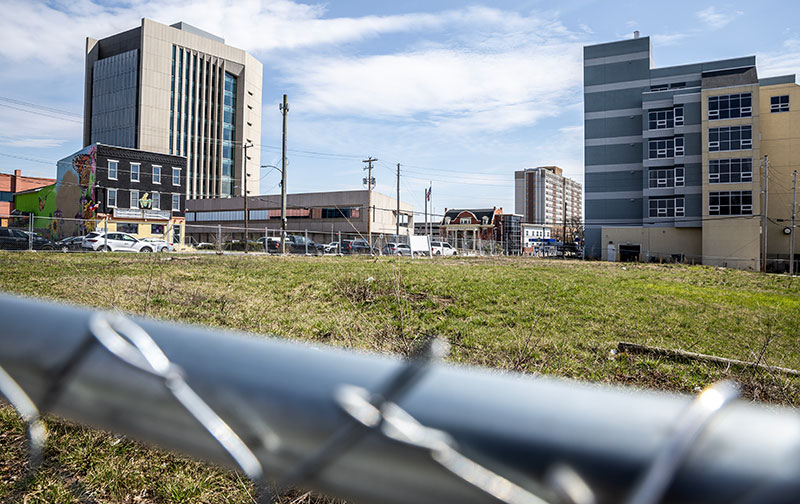
In October, Harrisburg awarded the Savoy 48 project $1.3 million in federal American Rescue Plan Act money.
McCoy’s mother, Daphne McCoy, said the project was delayed for several years while waiting for that funding.
“Now that it’s been so long, they have to get numbers all over again, because obviously everything’s gone up,” she said, noting the increased pricing of construction and building supplies.
A spokesperson for the Pennsylvania Housing Finance Agency, which awarded Savoy 48 $800,000 in 2023, said the project is scheduled to start construction in May 2026 and be completed by February 2027.
McCoy’s company, Vice Capital, also received a $75,000 gaming grant from the county in 2020 to renovate the former Swallow Mansion and Jackson House hotel. The project aimed to turn the two historic buildings on the 1000 block of N. 6th St in Harrisburg into commercial and residential space.
LeSean McCoy’s brother, LeRon McCoy, was involved in the company at that time and told PennLive it completed the renovation of Swallow Mansion, which has tenants living in it. Their company was unable to renovate the Jackson House hotel before the building collapsed.
Vice Capital has completed other development projects, such as JMB Gardens, a community of 41 affordable townhomes in uptown Harrisburg that opened in 2025.
The McCoys aren’t the only former NFL players trying to develop housing in the region. Noah Spence, who attended high school in Harrisburg and played for the Tampa Bay Buccaneers, also received $55,000 in gaming grants to build five affordable housing units out of shipping containers. But, despite receiving the funding years ago, Spence has not secured any land for the housing, nor has any construction begun.
While Neidich’s and McCoy’s projects are still in the works, at least one development project that got gaming money is dead.
Developers of a proposed mixed-use project featuring a Sheetz in Derry Township received two gaming grants totaling $125,000 before the plan was shut down by township supervisors over traffic, parking and design concerns.
Receipts show the developers spent the money on pre-construction costs, such as civil engineering and traffic services, surveying and an alternate site plan, as well as consulting services.
The two development companies, Linlo Properties and C&S Kray, did not respond to interview requests or questions.
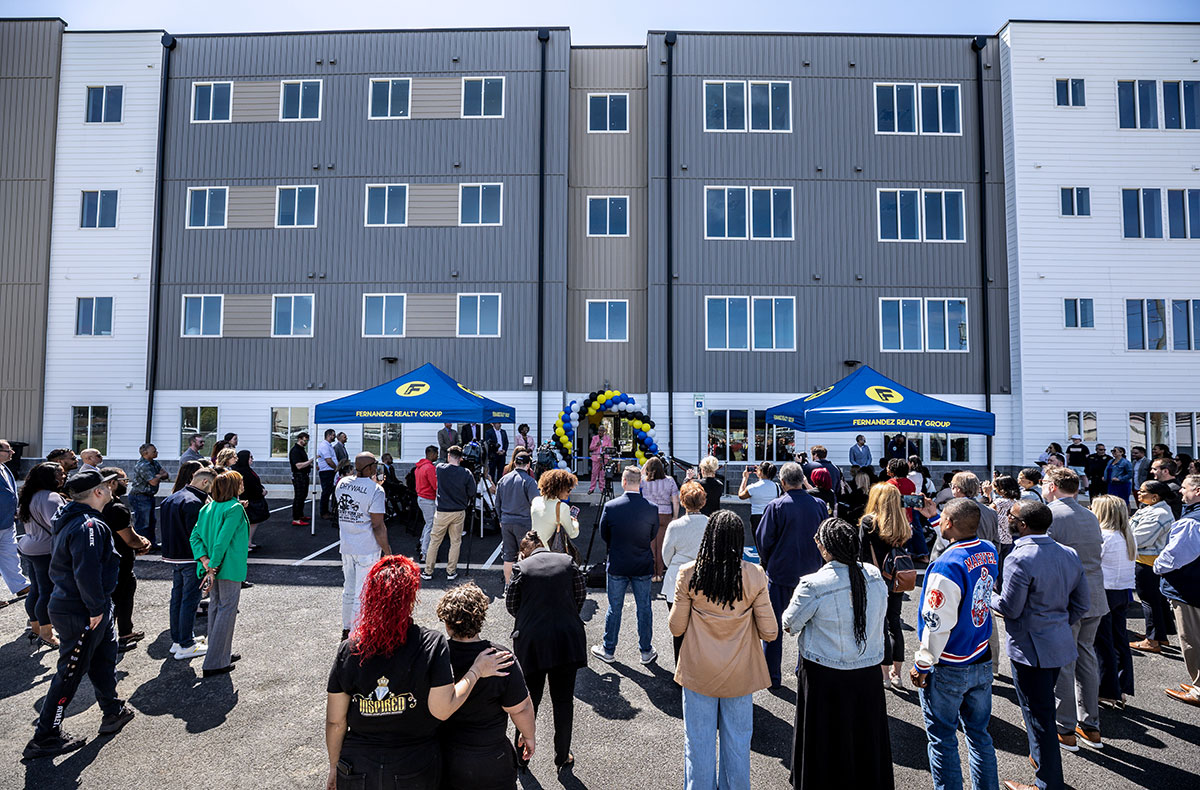
The county awarded eight gaming grants between 2016 and 2024 to for-profit developers who are working to build more affordable homes.
J&K Investment Holdings received more than $40,000 between 2023 and 2024 to turn a property destroyed by arson in 2022 into an affordable four-unit townhouse.
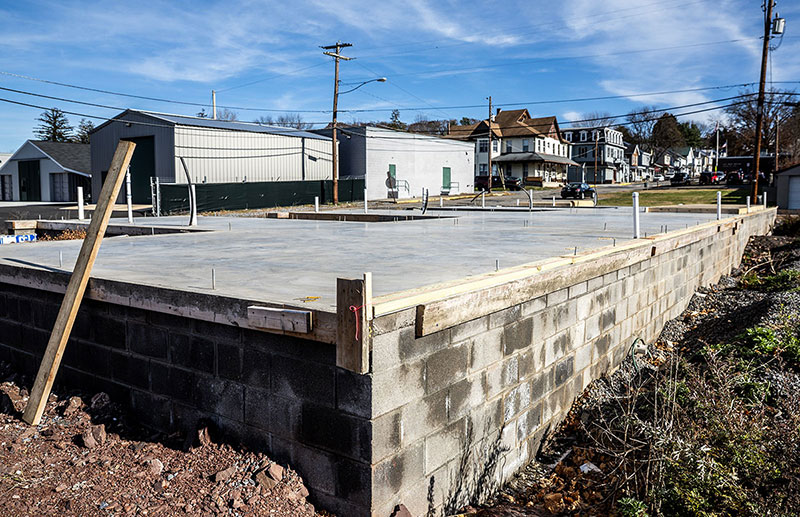
The site in Halifax was a “black eye of the borough for years” because it was empty, partner Kevin Murphy said, leading to vandalism and “kids just doing things they shouldn’t be doing.”
The project should be completed by the end of 2026, Murphy said. It was delayed because they had to wait for the arson investigation to conclude before they could start construction. Planning and permitting also took time, as did allowing the ground to settle after filling in old foundations.
Fernandez, the Harrisburg-area developer, received gaming grants for affordable housing projects through both his company, Fernandez Realty Group Affordable Houses LLC, and his nonprofit, Latino Connection.
It doesn’t matter whether the developer is for-profit or nonprofit — either way, affordable housing projects are “literally unattainable” without local, state and/or federal grants, Fernandez said.
Shane Phillips, a housing expert at the UCLA Luskin School of Public Affairs, agreed.
“As a general rule, subsidies are essential, whether for-profit or nonprofit,” Phillips said.
Robin Wiessmann, executive director and CEO of the Pennsylvania Housing Finance Authority, concurred.
“It’s a fundamental need, no question,” Wiessman said. “Obviously, there’s a responsibility to use it correctly. But it’s a very fundamental need, completely justified.”
According to a 2023 housing study commissioned by Dauphin County, it is experiencing “severe shortages” of housing and other supportive programs to assist its most vulnerable residents, such as those with disabilities or experiencing homelessness.
In October, Harrisburg also awarded Fernandez’s housing projects $1.5 million in federal pandemic relief funds to another company started by Fernandez to build 71 housing units.
Building affordable housing costs more than market-rate housing because developers face extra layers of bureaucratic red tape from the agencies that subsidize the project, including environmental studies, accessibility standards and federal housing guidelines. The extra rules are designed to ensure quality and longevity but are a challenge for developers who need to keep rents low.
Affordable housing developers aren’t making money on projects right away, Fernandez said. It typically takes more than a decade for the loans to be paid off and for developers to turn a profit, and at that point, the units need costly upgrades, such as replacing floors and appliances, he said.
For Fernandez, who grew up in affordable housing with a single mother, the projects bring joy.
“People can be critical all they want,” he said. “I have peace of mind seeing the tenants who were once homeless, who didn’t have an address, now they have an address. They have community. They have belonging.”
This story was fact-checked by Christine Vendel and Joshua Vaughn.
What did we miss? Reach reporter DaniRae Renno at drenno@pennlive.com and reporter Juliette Rihl at jrihl@pennlive.com or by encrypted email at jrihl@proton.me. Anonymous tips are welcome.
This reporting was supported by the Fund for Investigative Journalism and the Pennsylvania NewsMedia Association Foundation.