
The House Always Wins

How Dauphin County insiders turned public funds into private gains
A PennLive investigation exposes a troubling pattern of politically connected grants. Ethics experts say the connections shouldn’t be ignored.
Dauphin County gave the company of a borough council president $40,000 to buy a luxury pickup truck after he applied for a gaming grant.
Brian Proctor, who at the time was one of the top officials in Steelton, said he needed the truck to make 12 produce deliveries to low-income residents living in subsidized housing.
Three years later, the 2020 RAM 1500 Limited with leather-trimmed seats, a 12-inch touchscreen display and a 5.7L V8 engine is regularly parked outside Proctor’s house in Hershey.
It’s unclear how many deliveries he made, because Proctor didn’t respond to questions and the person in charge of the housing units said she didn’t know.

Dauphin County receives money for gaming grants, which are funded with gambling revenue from Hollywood Casino at Penn National Race Course. The grants are by law supposed to be used for things like emergency services, infrastructure upgrades and other projects in the public interest, though the law doesn’t define those terms.
Many grants bankrolled private businesses owned by friends, family members and political allies of the county’s power players, a PennLive investigation found. Most of the grants were used to offset costs that would typically come out of the businesses’ pockets, and critics question whether many of them clearly benefit the public at large.
The grants include:
- Three grants totaling more than $76,000 for renovations to a movie theater and a brewery co-owned by Matt Tunnell, who at the time was on the advisory board that recommends which grants to fund. Tunnell recused himself from voting on the grants.
- Three grants totaling $41,500 to a youth sports training company. Two of the grants were paid for with unrestricted gaming funds that can be used for anything, including balancing the county’s budget. Dauphin County Commissioner George Hartwick worked for the company part-time as an announcer. While he recused himself from one of the votes, he greenlit another grant while reporting income from the company.
- Two grants totaling $68,000 for an underwater treadmill and a new training facility at a fitness center where Mike Musser, a consultant who administered the gaming program, trained four times a week.
- Two grants totaling $400,000 to redevelop a blighted property into a luxury apartment complex in Hummelstown. One of the county’s bond underwriters, Lou Verdelli, is a partner on the project.
- $5,500 to a barber shop owned by Andy Hartwick, brother of county Commissioner George Hartwick, for building upgrades, including accessibility changes.
- $35,000 in unrestricted gaming funds for a TV show operated by Fred Clark, a well-connected consultant who did business with the county.
- $22,000 for technology and equipment for a drone company founded by Wendy Jackson-Dowe, who ran for county commissioner as Hartwick’s running mate in 2011.
- Three grants totalling $175,000 to a laundromat owned by Angel Fox, a former longtime staffer of state Sen. Patty Kim (D-Dauphin).
Commissioners who voted on the grants said they did so at the recommendation of the gaming advisory board, which vets the applications. But a former advisory board member noted the commissioners are the ones who ultimately approve the grants.
Ethics experts said the program’s pattern of grants going to businesses owned or run by the politically connected, paired with a lack of auditing or any meaningful oversight of how the money is used, signals a systemic breakdown.
“There are definitely red flags here,” said Philip Hensley-Robin, executive director of the nonpartisan government watchdog group Common Cause Pennsylvania.
Dauphin County’s program has not been designed to withstand scrutiny, said Davina Hurt, director of government ethics at the Markkula Center for Applied Ethics at Santa Clara University.
“And once that trust is questioned, even legitimate grants can be viewed with skepticism,” Hurt said.
The truck Proctor purchased with 2023 gaming grant money highlights several of the most criticized aspects of how the grants are administered: They often go to the businesses of people with political connections; the winning projects don’t always make a clear case for why they will be a good return on investment for the public; and there’s no consistent follow-up to ensure grantees are using the money as they said they would.
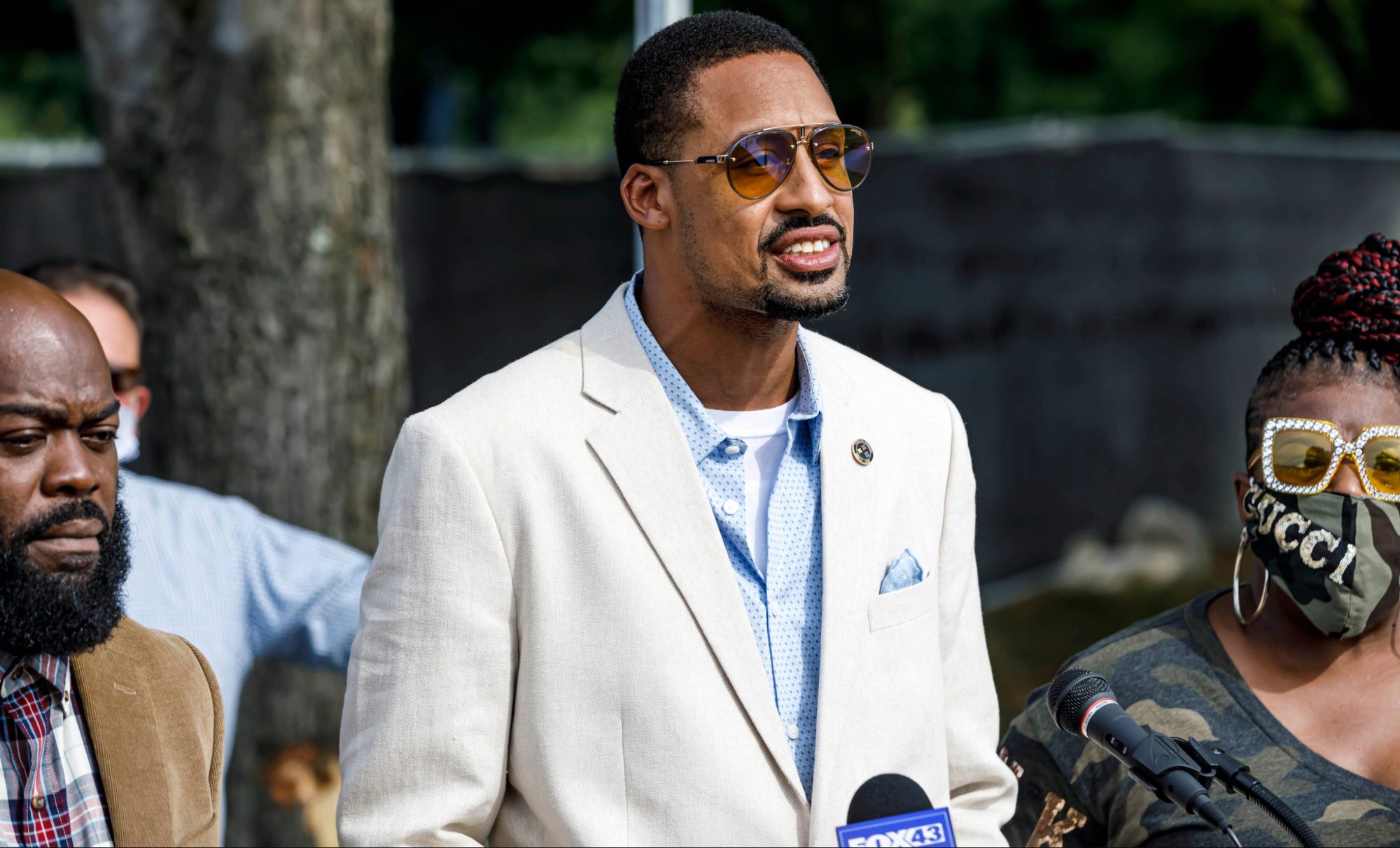
Proctor was Steelton Borough Council president at the time his company applied for the gaming grant. He intended to apply for the business to provide “third-party delivery and logistic services” to warehouses, according to a letter he wrote to the county’s Gaming Advisory Board.
Dan Gleiter
But somewhere along the line, Proctor’s project idea changed. Instead, his business, BP Consulting Resources, applied to deliver essentials such as groceries, medications and laundry services to elderly and disabled residents of the Housing Authority of Dauphin County.
The delivery program was ultimately scaled down to focus on fresh produce. The deal: The county would give Proctor’s company $40,000 to make 12 deliveries to residents over the course of a year. That averages out to more than $3,000 per delivery.
It’s unclear how many deliveries Proctor’s company completed or where the produce came from. Proctor, who resigned from Steelton Borough Council in 2025 but continues to work for the state, declined an interview request for this story and did not respond to questions sent in writing, except to say “no comment.”
Government ethics experts said the truck purchase was not an appropriate or useful way to spend public money.
“The fact that it’s so easy to get the money and say, ‘Hey, I’m going to pass out vegetables, and here is my receipt for a luxury vehicle,’ that seems like an opportunity to ask the public, is this the best use of funds for the community?” said Hurt, the ethics expert.
Leah Eppinger, executive director of the housing authority, said while the authority was a partner on the project, she was not involved in the financial aspect of the grant and was unaware the money had been used to purchase the truck. She also said she did not know how many of the scheduled deliveries took place, as the agency did not track that information. She noted she’d heard some residents talking about receiving food through the program.
When asked whether she felt the luxury vehicle was an appropriate use of government spending, Eppinger said it was not her place to say.
“I can’t say why that was the vehicle. I wasn’t involved in any of that,” she said.
Commissioners Hartwick, Mike Pries and Chad Saylor unanimously voted in favor of the grant at a February 2023 meeting.
Pries said the gaming advisory board, the board’s solicitor and the county solicitor approve all the gaming grant recommendations, and that he does not review specifics of each grant.
He declined to comment on whether he would have voted to approve the truck project if he had the full details.

In an email to PennLive, Hartwick said the proposal didn’t raise any red flags, given it was framed around food distribution in Steelton, an area with a high level of poverty, and the application did not reference the truck purchase.
“Had that been clearly stated, it certainly would have prompted more scrutiny,” Hartwick wrote, adding that he would expect the expenses to be reviewed more carefully moving forward.
Saylor did not respond to multiple requests for comment.
Commissioner Justin Douglas, who was not in office in 2023, called it “absurd.”
“Just that one instance should be a reason for us to reform and say, ‘We have to make sure this doesn’t happen again,’” Douglas said.
The same year Proctor’s company got the $40,000 grant, the Midwest Food Bank of Pennsylvania got $10,000 of its $75,000 grant request. Other food assistance programs also got a fraction of the money they applied for.
Had Proctor rented a vehicle for the 12 deliveries, the cost would have been significantly lower. The nearest Home Depot, in Swatara Township, offers truck rentals for about $150 a day.
Instead, Proctor purchased the used pickup truck at a dealership in Mechanicsburg in 2023, trading in a Ford Edge SUV and using the entire $40,000 grant to pay the balance.
The 2020 RAM 1500 Limited was crowned “Luxury Car of the Year” by Cars.com that year. “Luxurious real leather abounds,” according to the website’s description. “Genuine open-pore wood adorns surfaces you regularly see and touch. Creative stitching holds it all together.”
It’s unknown how much of an outlier the truck purchase is. PennLive has been requesting receipts for nearly 100 grants since October 2025, but the county has provided only about a quarter of the records so far.
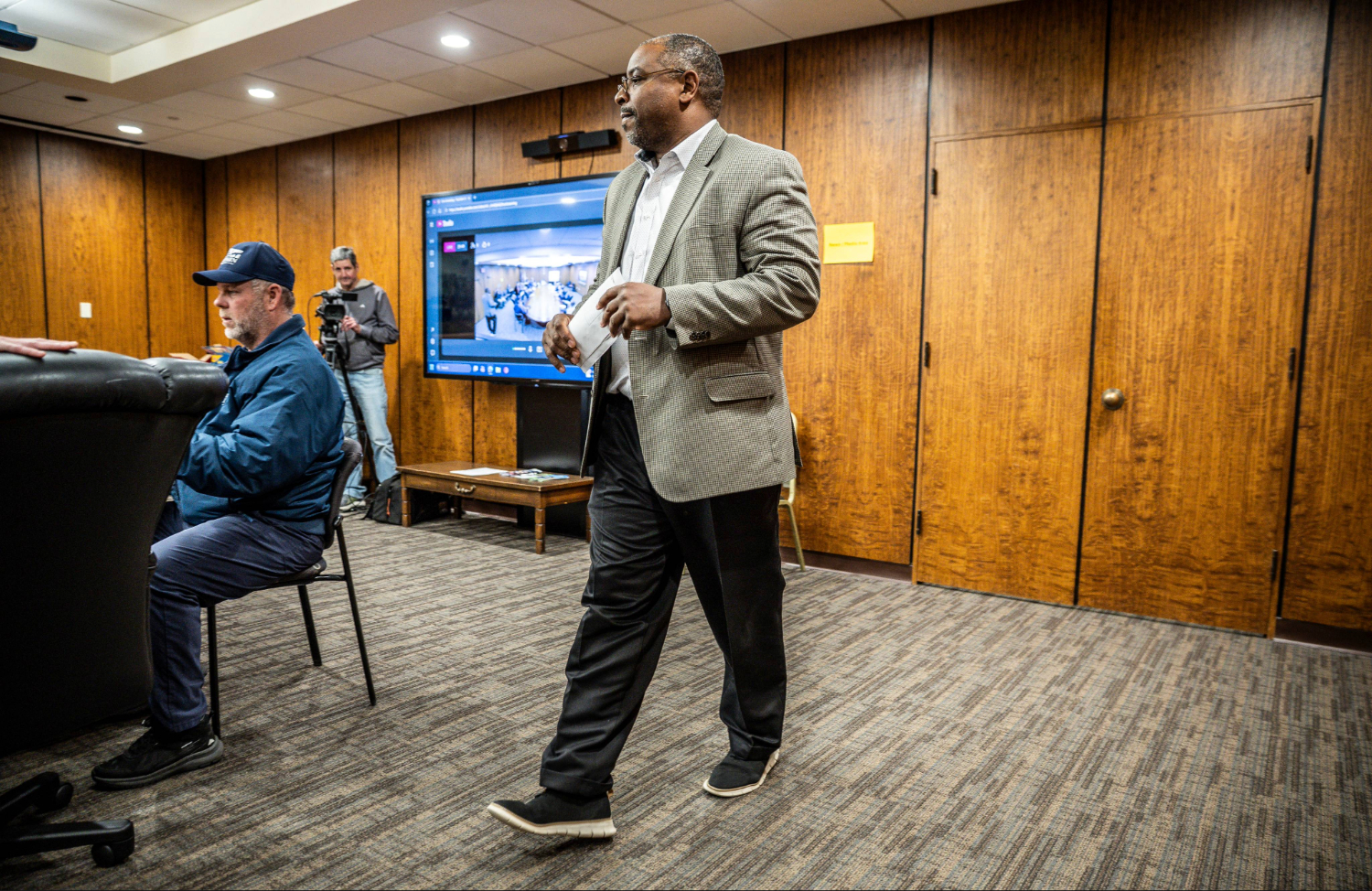
Proctor had close connections in the gaming grant program: Photos on social media show that George Connor, head of the Industrial Development Authority, which administers the gaming grant program, was in Proctor’s wedding party in 2024. Musser, the consultant whose company was hired to help run the program, contributed to Proctor’s campaign for Steelton Borough Council via his political action committee, Better Government for PA. Musser’s consulting company, Community Networking Resources, received $4,000 a month in consulting fees from Steelton for over two decades, including while Proctor was borough council president.
All three men served on the board of the Steelton Community Development Foundation as of 2023, according to the organization’s financial forms for that year, which are the most recent available.
When asked about the grant to Proctor’s business, Musser issued a general statement but did not address that grant specifically.
A PennLive reporter asked Connor multiple times whether he was directly involved in administering the grant to Proctor’s company. The reporter attempted to ask him in person at a public meeting on March 23, but Connor walked away without answering, instead directing the reporter to speak to Jeanette Krebs, a public relations specialist hired by the Redevelopment Authority, a different county authority that Connor also oversees.
He submitted his retirement notice to the county later that day.
Krebs later told PennLive that Proctor and Connor have known each other for “several years” and were both basketball referees.
Connor did not respond to questions about whether the timing of his retirement announcement was connected to PennLive’s questioning.
The gaming grant agreements typically require grantees to submit 90-day progress reports and a final project audit to the Industrial Development Authority. But the progress reports are often not needed, and most grantees are excused from the audit, according to a county spokesperson.
“Payment requests with sufficient supporting documentation often serve to show the progress of the grant, with grantees submitting invoices for reimbursement or direct payment, providing sufficient proof that the funds are being expended for their granted purpose,” the spokesperson wrote in an email.
In this case, Proctor submitted sufficient proof of his expenses: the car dealership’s invoice and a check he wrote to the dealership.
The spokesperson noted 90-day progress reports are not required by law.
Still, some counties have more robust reporting requirements. In Erie County, each grantee must submit documents showing they paid their taxes “to make sure they are in good standing” before receiving grant money. Afterward, they must also submit a budget form and final report, which includes questions about the project and its economic and community impact. If they do not submit those forms, they are not eligible for future grants, said Tammi Michali, executive assistant of the Erie County Gaming Revenue Authority.
Jason Zirkle, training director for the Association of Certified Fraud Examiners, strongly condemned the practice of waiving follow-up documentation.
“Progress reports and audits are a core part of grant oversight. So even if they’re not mandated by law, they’re in place for a reason, and it’s to protect the use of these public funds,” said Zirkle, a former financial crime analyst for the Texas Rangers, an investigative law enforcement agency. “And so the fact that it’s not really being enforced, to me, is 100% an issue. All it does is increase the risk of fraud, waste and abuse.”
The county commissioners awarded several grants to businesses that county officials owned or from which they received income.
Advanced Training, the youth sports training and broadcasting company where George Hartwick worked part-time for years as a wrestling announcer, received three grants totaling $41,500.
County records show a 2013 allocation to the company for $10,000, though it’s unclear what for.
The company received another $25,000 in 2014 for “High School Sports Live,” its sports broadcasting program. The money was for broadcasting commercials, promoting the county during games and halftime events and allowing commissioners to speak during events, an invoice shows. Both the 2013 and 2014 sums were paid using unrestricted gaming funds, a pot of money that can be used for any purpose, including balancing the county’s budget.
The company also received $6,500 in 2023 to buy uniforms for a basketball and youth mentorship program for high school students who didn’t make their school’s basketball teams. Receipts show over $4,500 was used to purchase several hundred reversible mesh tank tops.
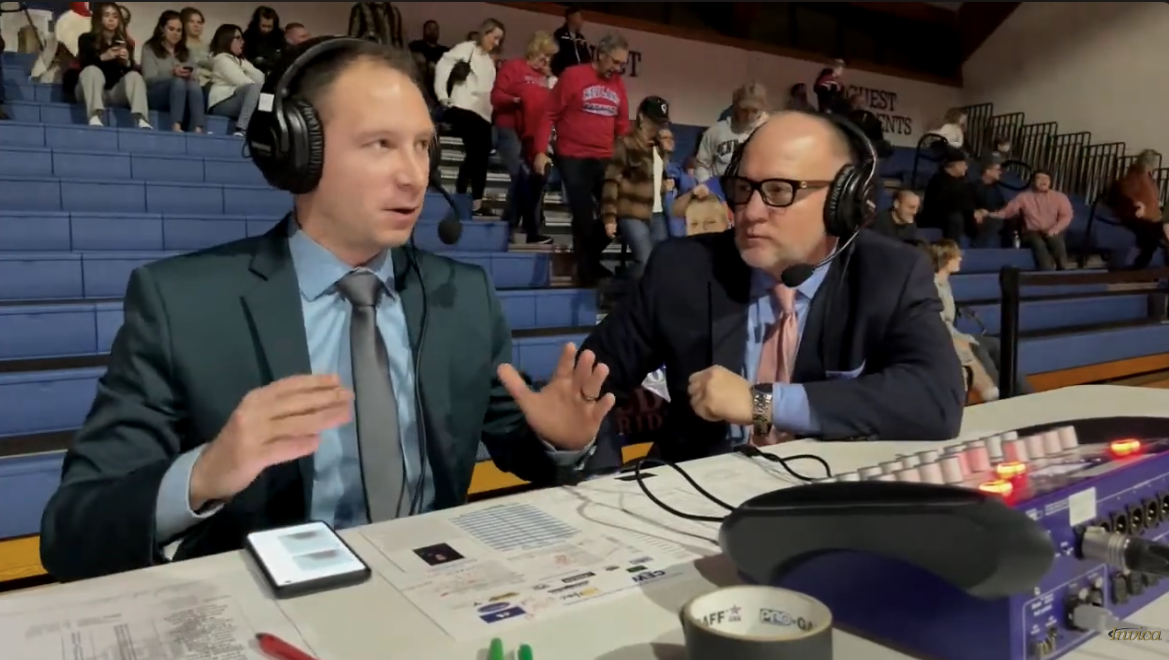
In response to questions about his connection to Hartwick, owner Charlie Fortney said he knows all the commissioners through his work in the community over the past 30 years.
“The public hearings make the whole process very transparent,” Fortney said of the gaming grant selection process.
All three commissioners, including Hartwick, signed Advanced Training’s 2023 grant agreement.
Hartwick said he took appropriate steps to recuse himself from any potential conflicts but did not explain why he did not recuse himself from the 2023 vote, given he reported receiving income from the company that year.
Multiple ethics experts said Hartwick’s 2023 vote in favor of Advanced Training’s grant is a problem.

“He should have recused himself from voting on and discussing the matter,” Young Pfeifer said.
Hensley-Robin, of Common Cause Pennsylvania, also said Hartwick should have recused.
“Obviously this isn’t a huge amount of money, but he’s directly making money himself from this company that he’s voting to give a grant,” Hensley-Robin said. “I mean, you can’t look for a better definition, basically, of a conflict of interest than that.”
Other grants with political connections also raised concerns with ethics experts, but in many cases, those situations were more nuanced, they said, such as grants for a movie theater and brewery in Harrisburg.
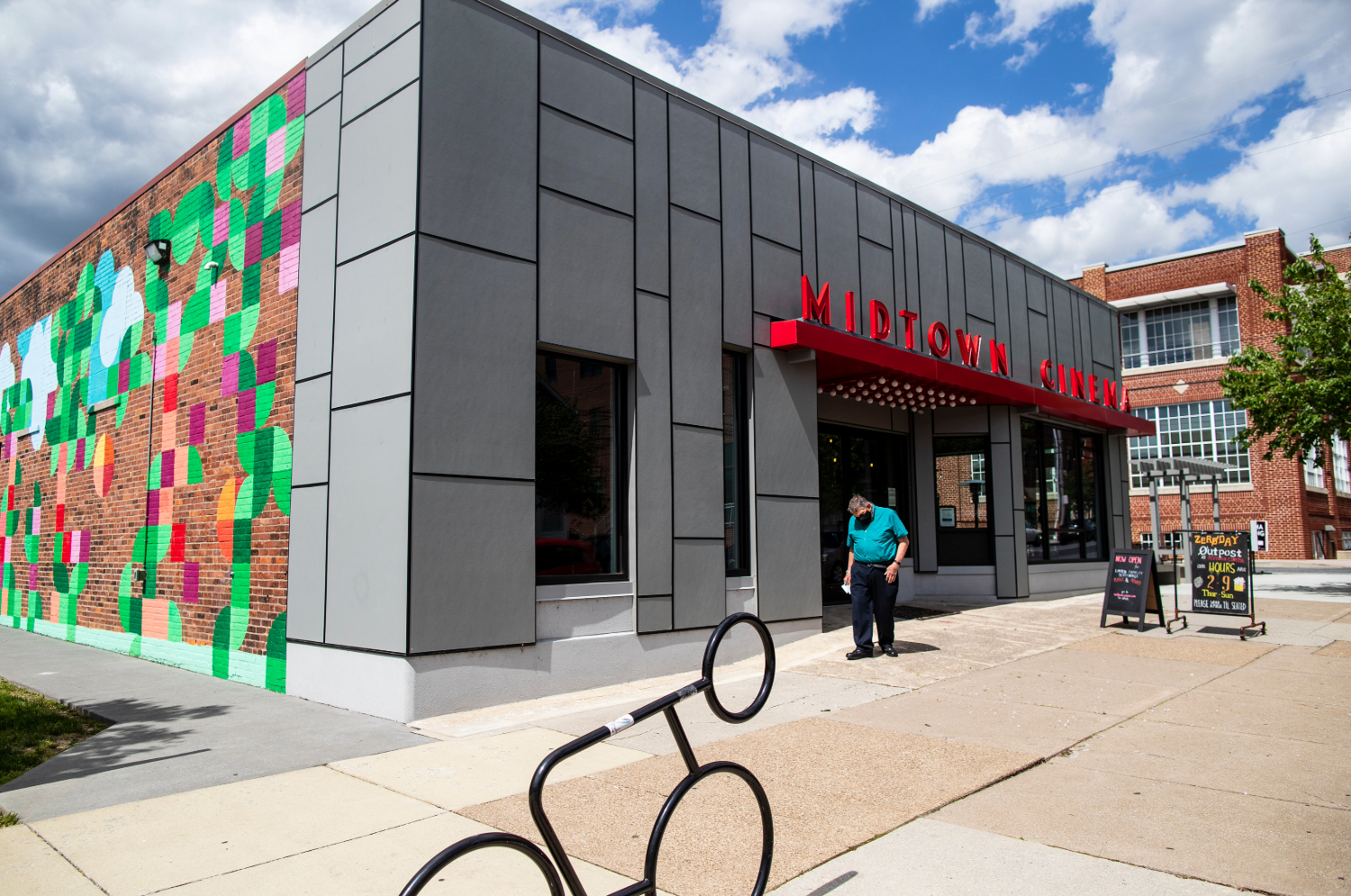
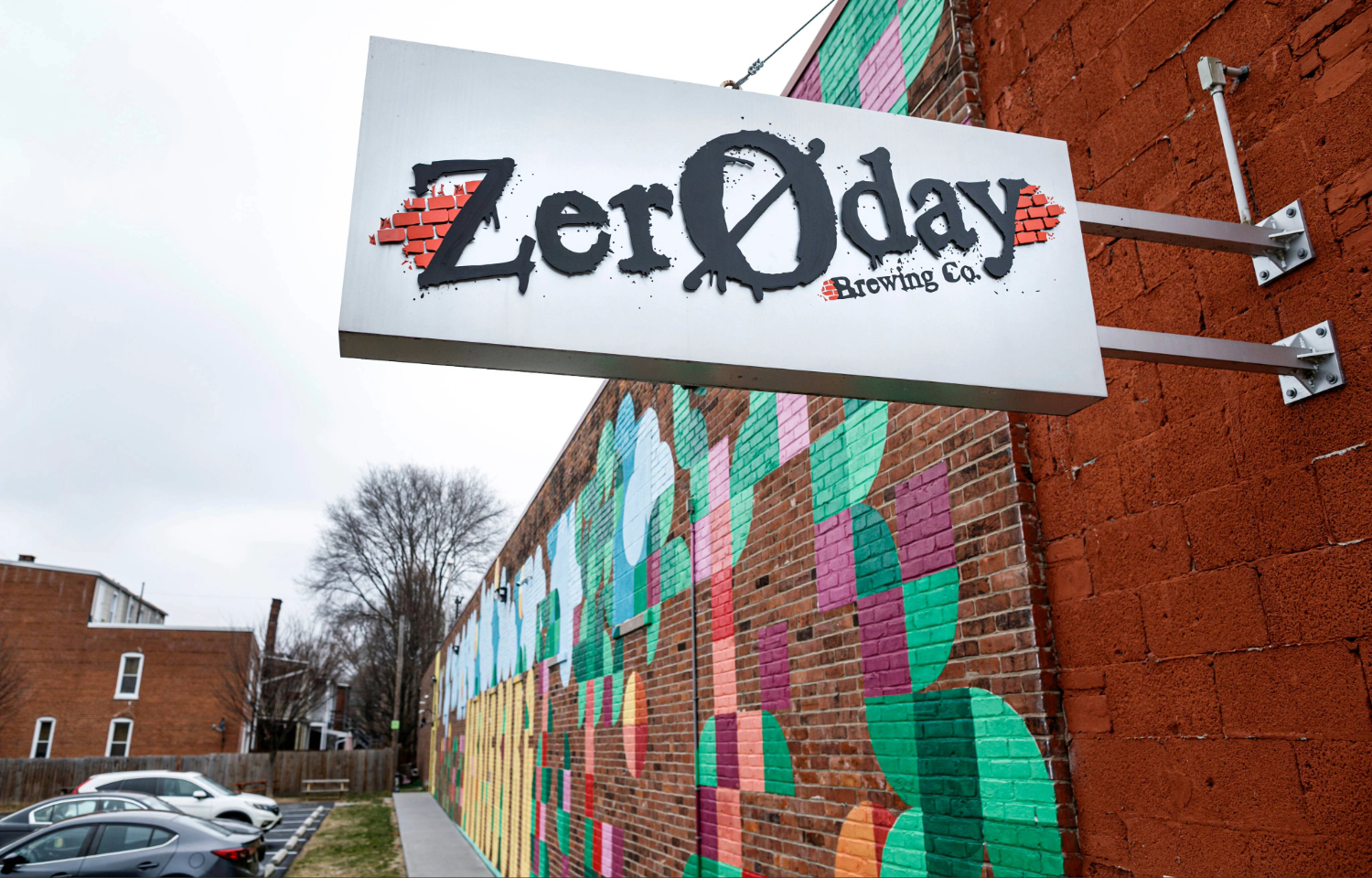
Midtown Cinema received $50,000 for renovations to its facade and lobby and another $10,000 for upgrades to its digital projector, seating and projection room, while Zeroday Brewing received $16,750 to complete a restaurant in Susquehanna Township.
Both businesses are owned by Lift Development, which was founded by John Tierney and Matt Tunnell. Tunnell is the chair of the Dauphin County Redevelopment Authority and was on the gaming advisory board at the time the grants were awarded.
Tunnell abstained from voting on the grants and said the board’s discussions and recommendations to fund the companies occurred without his participation. He told PennLive via email he disclosed his minority ownership interests in the company and did not write the grant applications. Records show Tierney, his business partner, did.
Former advisory board members did not respond to questions from PennLive about why they recommended the grants.
Since Tunnell didn’t submit the applications and recused himself from the vote, it isn’t necessarily a conflict of interest, Young Pfeifer said.
“Either way, it sounds suspect and doesn’t look good,” she wrote in an email.
Even if the grants served a legitimate purpose, the fact that Tunnell was on the board makes the situation murky, said Hensley-Robin, of Common Cause Pennsylvania.
“Even if he’s recusing himself, people are going to reasonably raise questions about that,” he said.
A HydroWorx 340 underwater treadmill costs over $170,000.
But Mary’s Health and Fitness, now known as Maximize Health and Fitness, didn’t have to foot the entire bill. The company received $50,000 in gaming dollars in 2023 to put toward purchasing one. It charges clients $35 to use it for 30 minutes, according to its website.
The following year, the business received another $18,750 for a new addition, called Mary’s Training Center.
This is the gym where Musser, whose company at the time administered the grant program, worked out regularly. It was the only private gym to receive a grant.
Owner Mary Driscoll said she learned of the program while researching grant opportunities and didn’t have additional information about the approval process or how determinations were made.
When asked whether Musser was a client, she said she had no personal connection to him and would not divulge clients’ identities.
But an October 2023 Instagram post by a trainer at Maximize Health and Fitness says Musser and his wife, Laurie, trained at the center four times a week. The post features a video montage of Musser sporting various tracksuits while dancing around the training center. Another post on the center’s account shows Musser and his wife celebrating their one-year training anniversary.
“The only connection to Mr. Musser, apparently, is that he worked out at that gym,” an attorney for Musser said in an email.
“The fact that a gym — which is a private employer — received a grant by the commissioners has nothing to do with Mr. Musser,” attorney David P. Heim wrote, reiterating that Musser did not vote on the grants.
Public grants to businesses should provide a high return on investment for the community, said Owen Zidar, a professor of economics and public affairs at Princeton University.
“Do underwater treadmills provide really sizable security benefits or, you know, big investment that wouldn’t happen otherwise, or really transform the economic landscape of the community?” Zidar said. “No, they don’t.”
Amanda Kass, research director for the nonprofit Good Jobs First, which promotes corporate and government accountability in economic development, also said the purchase was concerning.
“If the grant money went to purchase a luxury piece of exercise equipment, I think that provides a really — a screaming example of flaws in the program,” Kass said.
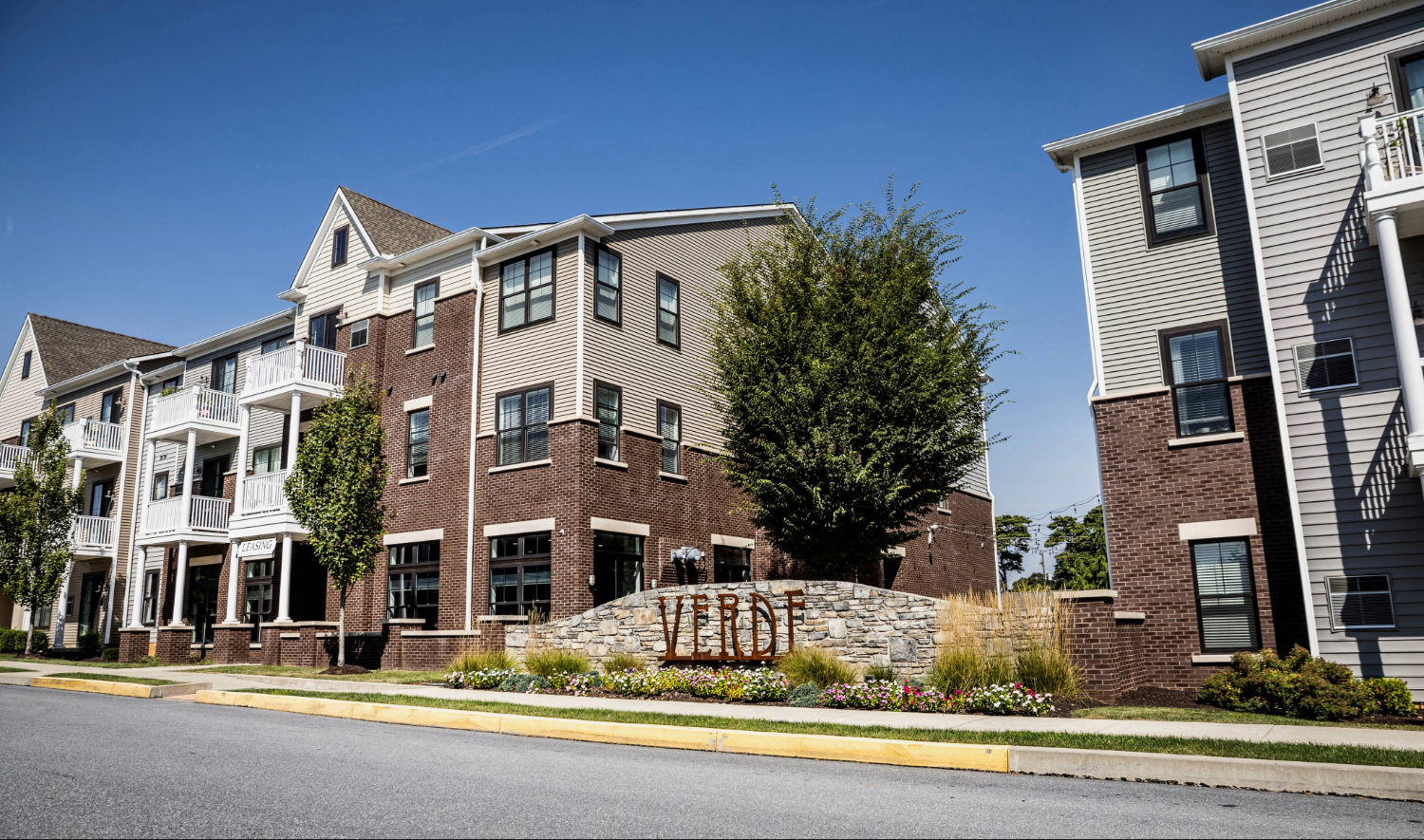
Verde markets itself as “the premier modern luxury apartment community in the Hummelstown/Hershey area,” according to its website. A one-bedroom, 746-square-foot apartment rents for $1,645 a month.
The site used to be home to the Verdelli Farms vegetable packaging plant but had been vacant and deteriorating since the company moved in 1993.
Lou Verdelli, great-grandson of the original owner, is a partner in the company that transformed the property into market-rate apartments.
Verdelli, who works in municipal financing, has handled the bonds for multiple county projects, including its recent debt restructuring. He did not respond to multiple requests for comment.

Jamie Brubaker, Verdelli’s partner on the apartments, said the former Verdelli Farms site had outlived its useful lifespan for the business — a common reason properties become blighted — and was identified as one of multiple potential redevelopment sites in a 2011 report by Dauphin County. The redevelopment was difficult and costly, he said, as the infrastructure needed to be replaced and aging buildings needed to be demolished.
Without the gaming grants, the project wouldn’t have been possible, Brubaker said.
He also noted Lou Verdelli never had a financial interest in Verdelli Farms or prior ownership of the property. But business records show other members of the Verdelli family owned the site before selling it to a business entity owned by Brubaker.
According to Brubaker, the gaming grants amounted to 2% of the total project costs, and the development is projected to bring in $10 million in additional tax revenue over 20 years to Dauphin County, Hummelstown and Lower Dauphin School District.
“I’m proud that Verde can be a shining example of how challenging a redevelopment project can actually get accomplished!” Brubaker wrote.
A county spokesperson said being hired by the county to provide bond underwriting services and being a partner at a firm that received a gaming grant is not a conflict of interest.
“Importantly, Lou Verdelli was the applicant, not the decision-maker, in either scenario and would not have been in a position to vote on any contract or grant award he or an affiliated firm received,” the spokesperson wrote in an email.
Providing financial services, such as municipal bond underwriting, is a lucrative business, said Daniel G. Garrett, finance professor and municipal bond expert at the Wharton School of the University of Pennsylvania.
That the county gave a grant to the project is potentially questionable, Garrett said.
“Any time that you’re giving money as a [government] to your friends or people that you have repeated interactions with, I think it can be questionable,” Garrett said.
Awarding funding to Verde may have been justifiable based on the details of the project, Hensley-Robin said.
“But you do have to also step back and think in terms of, there are lots of potential projects that could be redeveloped, there are lots of, theoretically, places where housing would be needed,” he said. “The question is, who qualifies? And is it because of influence and because of access that this particular developer is getting it?”
Steelton Hair made accessibility upgrades to its barber shop in 2022, including installing a concrete ramp and handrail. The following year, it received a $5,500 grant to reimburse it for a portion of the cost.
The barber shop, which is owned by Andy Hartwick, brother of Commissioner George Hartwick, is a “community hub” that has been at its location for over 20 years, its grant application said. The shop had recently expanded to include salon services, which led to an increase in older clients and a need for accessibility upgrades, the application said.
George Hartwick recused himself from voting on the grant and said the application was evaluated through the standard process.
“Any award should be based on the project’s merits and its benefit to the community, independent of personal relationships,” George Hartwick said in an email.

When PennLive reached Andy Hartwick by phone, he said only “no comment.”
The other two commissioners, Pries and Saylor, greenlit the funding.
The barber shop was the only business to receive a gaming grant for accessibility upgrades, though some nonprofits did, too.
Hurt, the ethics expert, said while accessibility upgrades provide a clear public benefit, grants to family members and close associates of county officials can create an appearance of impropriety, even when the grants fulfill a legitimate purpose.
The county also awarded the barbershop a $10,000 pandemic-recovery Community Development Block Grant in 2021, which George Hartwick voted to approve. Several other barber shops and hair salons also received pandemic funding during that grant cycle.
Hartwick said he was not aware of any instance where he did not follow the appropriate legal steps, but that during the pandemic, the county’s processes were “rapidly evolving” and in some cases, the agendas and meeting minutes were not as detailed as usual.
“That said, I take these matters seriously,” Hartwick wrote in an email, adding that he would go back and review the specifics of the 2021 vote.
“To be clear, I have always made every effort to handle any potential conflicts appropriately, including recusing myself when required,” he said.
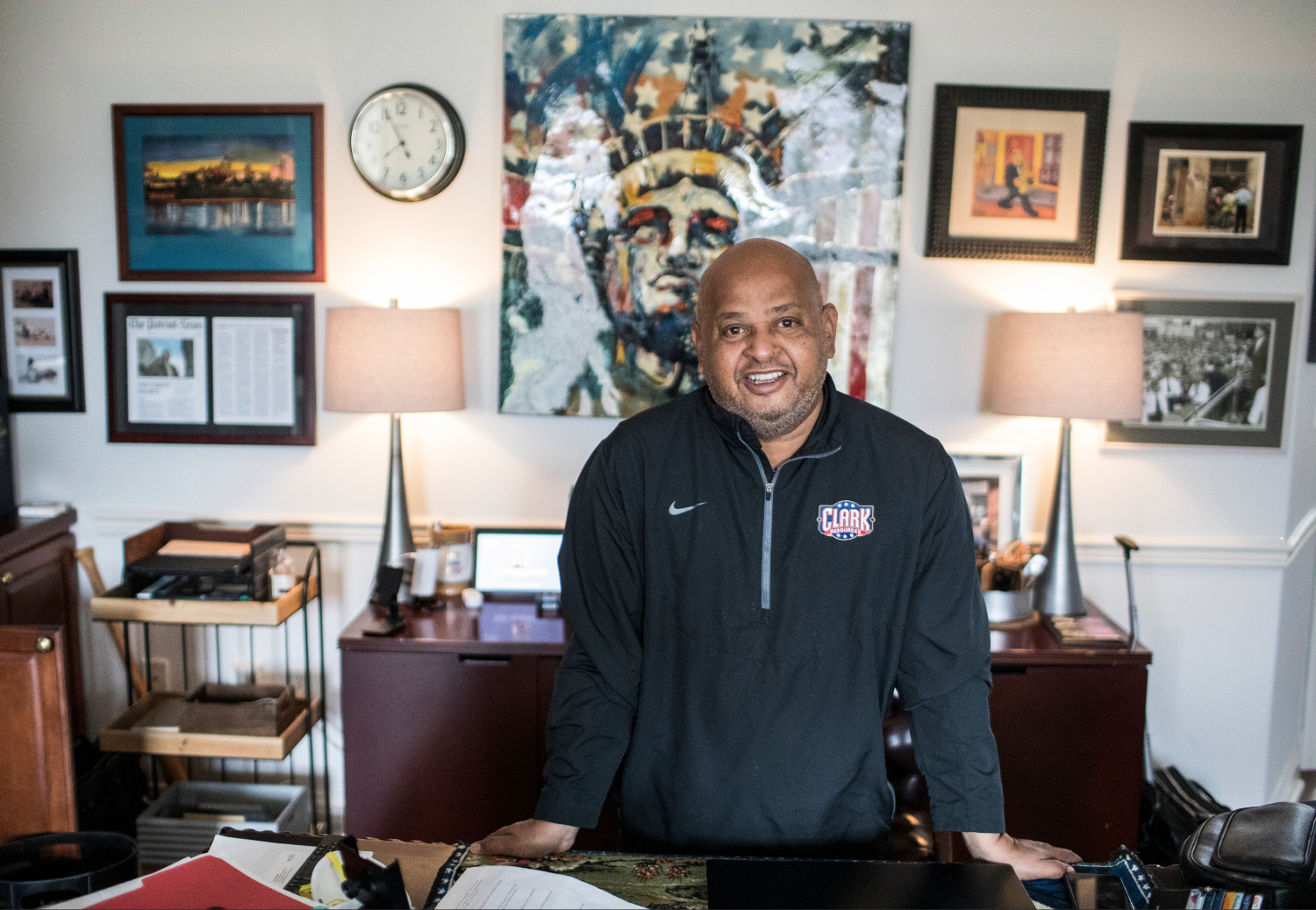
Fred Clark, a longtime fixture in Harrisburg, received $35,000 in gaming funds in 2010 for his TV show, “One on One with Fred Clark,” which aired on Comcast. Details of the arrangement are unknown, as the county said it could not find a contract with Clark, but Clark said the money was used to run commercials promoting Dauphin County during the show.
Clark pursued gaming funds after he saw other entities getting money, he said.
“In my mind, as I encourage many young entrepreneurs, ‘Why not me?’ Why would I not be worthy of what I see other individuals benefiting from?” Clark said.
Clark’s expenditure was paid with unrestricted gaming funds that could have been put toward the county budget.
Clark has served as the athletic director of the Harrisburg School District, director of the Harrisburg Downtown Improvement District and as the head of the Advisory Commission on African-American Affairs in Gov. Tom Corbett’s administration.
He also did business with the county: The county paid Clark $120,000 in rent between 2006 and 2010 for a building he had just purchased and later bought the property from him for $300,000. And the county paid him $60,000 to be a diversity consultant on a construction project in 2009.
More than a decade later, Clark was tapped as one of three advisory board members for the county’s Community Matters Grant program, which gave grants to minority- and women-owned businesses for COVID-19 recovery in 2023 and 2024.
Clark strongly disagreed with the notion that his political connections helped him secure the grants.
“I would say the success of achieving a grant or a lease or a contract came from determination, hard work, persistence and fundamental belief that I was worthy of those opportunities that presented themselves to me in business and in life,” Clark said in an email.
Despite teaming up with incumbent George Hartwick, Wendy Jackson-Dowe had an unsuccessful run for Dauphin County commissioner in 2011. Seven years later, the engineer founded SkyPixGroup, a drone company that assists with inspections, 3D mapping and training, according to its website.
In 2023, the commissioners, including Hartwick, awarded Jackson-Dowe’s business $22,000 for a mobile command center and lidar technology, a remote sensing method used to measure distance. The grant was to accommodate the business’s “expanding scope of work,” its grant application said.
Jackson-Dowe initially agreed to an interview with PennLive but did not respond to follow-up emails.
The project’s intended public benefit was to assist with infrastructure improvements and inspections in the county and to employ more residents, a county spokesperson said.
Hartwick said he voted for the project based on its merits and public benefit, and that the application went through the typical review process.
Young Pfeifer, the legal expert, said she saw no legal issue with the grant, particularly given it was 12 years after Hartwick and Jackson-Dowe ran together.
But Hurt, of Santa Clara University, said the grant signals larger structural problems within the grant program, which appears to value grantees’ private interests over transparency and accountability.
“I would imagine that communities would rather have food pantries filled than drone companies gain influence and income,” she said.
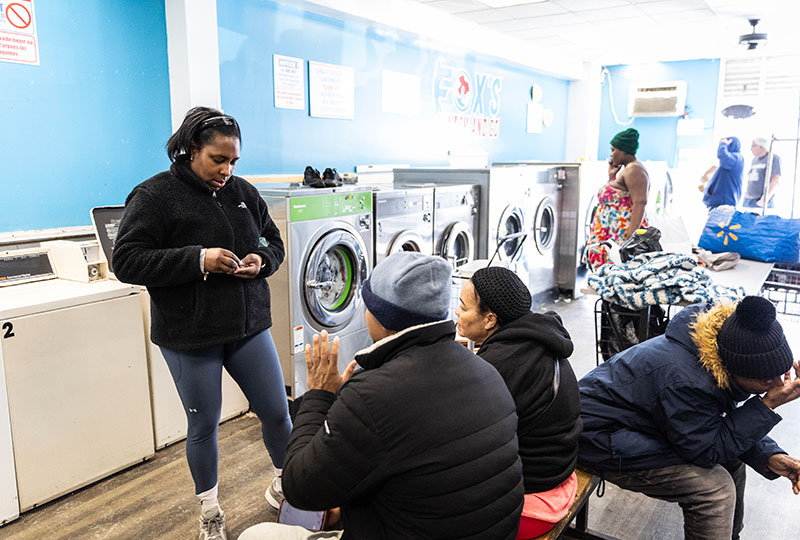
Fox’s Wash and Go is a laundromat in the Allison Hill neighborhood of Harrisburg owned by Angel Fox, a nonprofit leader and former longtime staffer of state Sen. Patty Kim. While the laundromat is for-profit, it gives back to the community in multiple ways, including providing free laundry services and other resources to people in need, Fox said.
“It’s a private business, but we give back 365 days a year,” Fox said.
The business received three gaming grants totaling more than $175,000 between 2022 and 2024, and used two of the grants to buy new washers and dryers and make other upgrades. No money has been released yet for the 2023 grant, which the business received to build a new laundromat with nine affordable apartments above it.
Kim, who was in the state House of Representatives at the time the grants were awarded, provided letters of support for most of them.
“While Ms. Fox was a long-time employee at the time, she was also a minority business owner providing essential laundry services to one of the most underserved parts of my district,” Kim wrote in an email to PennLive. “Like many other minority-owned small businesses and nonprofits that I have supported over the years, I provided a letter in the spirit of helping sustain business and essential services where they are most needed.”
When asked whether she believes her political connections helped her get the grants, Fox said she thinks they likely did help, but that she believes she would have gotten the funding anyway due to her track record of community service.
After unsuccessfully applying for a fourth gaming grant for the laundromat in 2025, Fox is trying again this year.
“It’s not like the money is going to make me rich,” Fox said. “It’s literally giving back to the community.”
Editor’s Note: PennLive partners with Charlie Fortney and “High School Sports Live” to live stream football and basketball games.
This story was fact-checked by Oliver Morrison.
PennLive reporter Jonathan Bergmueller contributed to this story.
What did we miss? Reach reporter Juliette Rihl at jrihl@pennlive.com or by encrypted email at jrihl@proton.me and reporter DaniRae Renno at drenno@pennlive.com. Anonymous tips are welcome.
This reporting was supported by the Fund for Investigative Journalism and the Pennsylvania NewsMedia Association Foundation.